Key Takeaways
- Carry-on always: Keep your GLP-1s on you, in original packaging, with prescriptions and a doctor’s note.
- Temperature matters: Follow brand-specific room-temperature windows (Ozempic: 56 days; Wegovy: 28 days; Mounjaro/Zepbound: 21 days; Trulicity: 14 days).
- Side-effect prep: Stay hydrated, pack a GI toolkit, and avoid dose escalations right before travel.
- Backup plan: Extra supplies, local pharmacy contacts, and precise documentation.
- Sharps safety: Use a travel sharps container and dispose of needles properly.
Table of Contents
- Introduction
- Core Concepts and Mechanisms
- Clinical Evidence and Real-World Impact
- Treatment and Management Approaches
- Prevention and Practical Applications
- Conclusion and Future Outlook
- Frequently Asked Questions
- Internal Links
1. Introduction
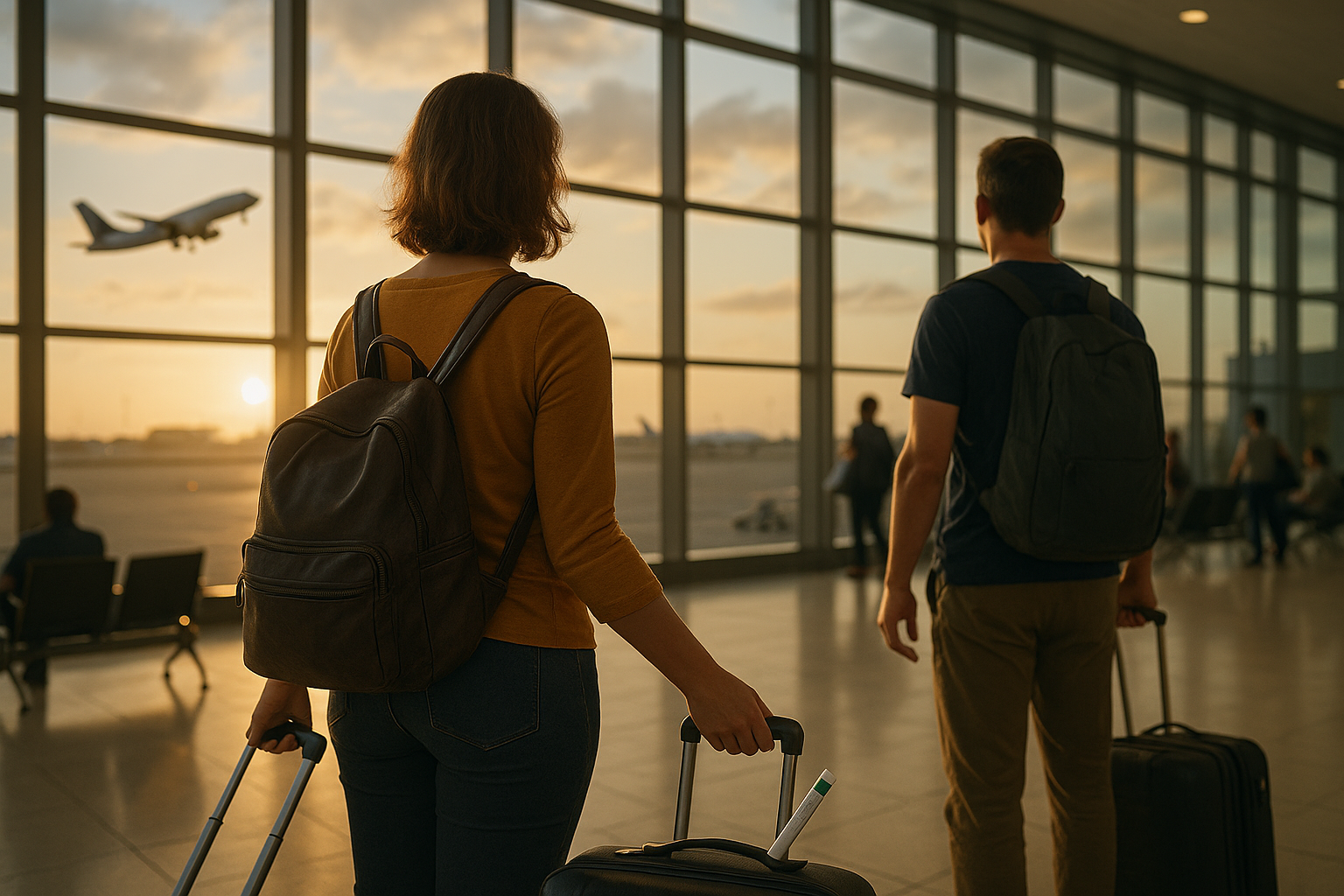
Picture this. You’re in the airport security line, shoes off, heart rate up, and your carry-on contains one of your most valuable travel items—not your laptop or passport, but your GLP-1 medication. Maybe it’s Ozempic, Wegovy, Mounjaro, Zepbound, or Trulicity. You can almost hear the questions: Will TSA take it? Does it need to be on ice? What if it warms up? What if I get nauseated on the plane?
Let’s take a breath. You can absolutely travel with GLP-1 medications. People do it every day. You need a plan—one that respects how these medications behave, what airport security expects, and how your body might respond to a new routine.
Here’s the good news: injectable medications are permitted on planes, including needles and supplies. You can carry your meds right through security—in your carry-on—without drama. The better news is that most GLP-1s are surprisingly sturdy at room temperature for a period of time. That means beach vacations, business trips, weddings across the country, and long-haul flights aren’t off-limits. They’re totally doable with preparation and a few smart habits. [1][2][3][5]
Why does this matter so much? Because travel should be joyful, not a chemistry experiment. Whether you use GLP-1s for type 2 diabetes control or weight management, consistency matters. These medications help smooth out hunger signals, slow digestion (so you feel full sooner), and improve blood sugar control. Missed doses or overheated pens can set you back and, more importantly, create anxiety you don’t need.
Maybe this is your first time travelling with GLP-1s. Perhaps you’ve had a rough go before—your hotel fridge froze your pens or your bag was gate-checked and your meds were stuck in the cargo hold. Or maybe you experienced unexpected nausea after a celebratory dinner and don’t want a repeat. Wherever you’re starting from, I’ll meet you there and walk you through it step by step.
Here’s what we’ll cover together:
- What GLP-1s are and why temperature matters (hint: these drugs are delicate proteins, a bit like eggs—once “cooked,” they can’t be uncooked)
- Exactly how long each common GLP-1 can safely be at room temperature, and what “room temperature” actually means
- TSA and international rules in plain English
- The art of packing and documentation—no overthinking needed
- Managing side effects before, during, and after travel (including what foods to choose when vacation is calling your name)
- Time zone hacks for weekly dosing
- What to do if a dose is missed, your pen gets too warm, or your trip runs longer than your med’s room-temperature window.
- Sharps disposal while you’re on the go
- Real-world stories to make it feel tangible—and doable
Keep your meds in your carry-on. Bring a note from your provider. Pack a small sharps container. Drink more water than you think. And, perhaps most importantly? Don’t increase your dose right before you travel. That one tip alone can save you a rough travel day.
Ready to go? Let’s map it all out.
2. Core Concepts and Mechanisms: Why GLP-1s Behave the Way They Do—and Why Your Cooler Bag Matters
What are GLP-1 medications, in human language?
GLP-1s are a class of medications that mimic a hormone your body naturally produces—glucagon-like peptide-1. In simple terms, they help your brain and gut talk to each other more effectively about food and blood sugar. Think of GLP-1s as a friendly whisper to your appetite centre: “You’re getting full; take it easy.” At the same time, they help your pancreas release insulin when glucose rises and keep glucagon (which raises blood sugar) in check after meals.
Some types, like semaglutide (Ozempic/Wegovy) and tirzepatide (Mounjaro/Zepbound), are taken weekly. Others, like liraglutide and dulaglutide (Trulicity), have different dosing schedules. The weekly dosing is a big win for travelling—less to remember and fewer supplies. But it does mean you want to be thoughtful about timing across time zones.
Why storage matters: the “scrambled egg” problem
GLP-1 medications are proteins. Temperature, sunlight, and freezing matter. Imagine leaving a fresh egg out in the sun or putting it in the freezer and thawing it—the texture changes. Proteins can denature—meaning their shape changes and they don’t work the same. GLP-1s are designed to be stable over a reasonable temperature range, but beyond that range, they can lose potency.
Key temperature fundamentals:
- Before first use (unopened pens): Store in the refrigerator at 36°F–46°F (2°C–8°C). [1][3][5]
- After first use (or when taken out for use): Most GLP-1s remain stable at room temperature (up to 86°F/30°C) for a limited time depending on the brand. [1][3][5][7]
- Never freeze. If a pen is frozen, it’s no longer safe to use. [5]
- Keep out of direct sunlight and away from heat sources (car dashboards, sunny windowsills, hot hotel rooms). [1][3][5]
Brand-by-brand room temperature windows:
- Ozempic (semaglutide): up to 56 days (8 weeks) at room temperature up to 86°F (30°C). [5][7]
- Wegovy (semaglutide): up to 28 days at room temperature up to 86°F (30°C). [5][7]
- Mounjaro/Zepbound (tirzepatide): up to 21 days at room temperature up to 86°F (30°C). [5][7]
- Trulicity (dulaglutide): generally up to 14 days at room temperature up to 86°F (30°C). [5][7]
Note: Always double-check your medication’s specific label or patient insert. Some brands and doses may have subtle variations. When in doubt, default to the most conservative interpretation or call your pharmacist. [5][7]
So if it’s stable at room temp, why pack a cooler bag?
Because room temperature is specific—typically 59°F–86°F (15°C–30°C), if you’re travelling to a hot climate, sitting on a sunny train platform, or driving in summer, your bag can get much warmer than you think. An insulated travel case with reusable ice packs acts like a shade for your medication. It helps you control temperature until you reach a reliable refrigerator—even if that’s a few hours after landing. [1][3][5]
Pro tip: Wrap your medication in a small towel and place it inside the cooler so it doesn’t rest directly on ice packs. You want “cool,” not “frozen.” A small portable thermometer can reassure you that the inside of your case stays in the sweet spot. [1]
The carry-on rule
Always keep GLP-1s in your carry-on. Do not check them. Luggage holds can get too hot or too cold, and if your bag gets lost or delayed, your medication could go with it. Carrying medication on your person also makes it easier to declare at security and present prescriptions or letters if requested. [1][3][4][5]
What TSA and airport security expect
TSA allows injectable medications, syringes, pen needles, and gel ice packs when medically necessary. Keep your items in original packaging with prescription labels whenever possible. It’s smart (and often stress-relieving) to declare them proactively to the officers and show a doctor’s letter stating medical necessity and dosing instructions. If your gel packs are partially melted, they may still be allowed when medically necessary—declare them. [2][3][5]
If you’re concerned about x-ray screening, medications are generally safe to x-ray. If you prefer, you can request a visual inspection. Build in a few extra minutes just in case. [2]
International travel: a few more hoops, but nothing you can’t clear
Regulations vary. Some countries have stricter rules for importing medications, especially injectables, or require prescriptions to be presented or pre-registered. Before your trip, check the embassy or health ministry website for your destination. Consider bringing:
- A copy of your prescription(s)
- A letter on your provider’s letterhead listing your medications, diagnosis, dosing schedule, and medical necessity
- Brand names and generic names (e.g., “Wegovy (semaglutide)”)
- Translation if travelling to a non-English speaking country
- Contact info for your prescriber and pharmacy at home [1][4]
The protein-in-motion problem: why travel itself can provoke side effects
GLP-1s slow stomach emptying. That’s part of how they help you feel full. Add a travel day—altitude changes, odd meal timing, dehydration from dry cabin air, celebratory meals—and your GI tract can react. The two most significant issues people notice while travelling with GLP-1s are:
- Nausea or heartburn after larger or richer meals
- Constipation from dehydration, sitting for long periods, and diet changes
This doesn’t mean you can’t enjoy your trip. It just means a little planning goes a long way. Pack anti-nausea options and constipation supplies, and don’t increase your GLP-1 dose right before you travel. Your stomach will thank you.
Room-temperature timeframes and travel length
This one’s important. Let’s say you’re travelling with Wegovy. It’s good at room temperature for up to 28 days. If your trip is 3 weeks and your environment is within 59°F–86°F, you’re fine to keep it in your travel case and then a hotel fridge. If your trip is longer than the room-temperature window, plan a refill at your destination or coordinate to store unused pens in a fridge throughout. If you’ll be in very warm environments, use your cooler bag consistently and refrigerate it as soon as you can. [1][3][5][7]
Bottom line: GLP-1s are durable enough for real life, but not invincible. Treat them like the helpful, high-performing proteins they are—keep them cool, shaded, and with you at all times.
3. Clinical Evidence and Real-World Impact: What We Know, What Works, and What Travellers Actually Experience
Let’s weave in a few stories—composites from common scenarios—so you can see how this plays out in real life.
Ava’s beach vacation and the “too-warm tote” moment
Ava planned a 10-day trip to the Caribbean with her partner. She brought two Wegovy pens (one for the dose during the trip and a backup). She kept them in an insulated case with ice packs for the flight, declared them at TSA, and breezed through after showing her prescription and doctor’s letter. Then, on arrival, between customs, a taxi mix-up, and a “quick” beach detour, her bag spent three hours in the sun.
When she finally reached the hotel, she realised the ice packs had melted and the interior of the bag felt warm. She had a small travel thermometer (smart) inside that read 91°F. Not great. Her heart dropped. Did she ruin it?
Science-backed calm: GLP-1s are stable up to 86°F (30°C). A short excursion above that doesn’t automatically destroy a dose, but the label guidance is conservative for a reason.
In these cases, call your pharmacist or the manufacturer’s support line to talk through the time and temperature exposure. Then store immediately in a fridge. Ava did exactly that. Her pharmacist recommended not using the pen that had been the warmest and arranged a replacement at a local pharmacy with an emailed prescription from her home provider. Crisis averted—because she brought documentation and planned for contingencies. [1][4][5]
Jamal, a frequent flier with type 2 diabetes, learns the time-zone trick
Jamal takes Ozempic every Sunday morning at home. He flew from New York to Tokyo (13 hours ahead) and realised his “Sunday morning” would be Saturday evening in Tokyo. He wondered: change the dose day or keep it on his home schedule?
Here’s what works well for weekly meds: choose an anchor day and stick to it. You don’t have to match the time of day exactly; the goal is consistency within a 2–3-day window if travel timing demands flexibility. If your planned dose falls during a flight or a chaotic arrival, take it as soon as possible when you land. A calendar alert helps. If you use GLP-1 with insulin or a sulfonylurea, discuss the timing with your clinician before the trip; coordination is important to avoid lows. [1][3]
Jamal set a reminder for “Sunday morning New York time” and took his dose on “Sunday evening Tokyo time.” He kept it simple. No low blood sugars, no missed doses. He also kept glucose tabs handy just in case because he also used a low-dose sulfonylurea—and long flights with unusual meals can shift glucose patterns. He stayed hydrated and walked the aisle hourly on his long-haul flight.
Sophia’s first cruise and the hotel fridge surprise
Sophia brought Mounjaro on a family cruise. Her cabin had a mini-fridge—but it ran cold. On day two, the water bottle she kept near the back was slushy. For a protein-based medication, that’s a big red flag. Freezing can permanently damage GLP-1 medications. [5]
Here’s where a small fridge thermometer and a buffer bag save the day. She adjusted the fridge setting, moved her medication to the middle shelf, wrapped it in a small towel, and placed it in an insulated travel pouch inside the fridge to avoid contact with cold spots. She also asked guest services for access to the ship’s medical fridge (standard on cruises), which often has more reliable temperature control.
What the research and guidance say
- Stability: Manufacturer data and a 2023 review confirm that semaglutide and tirzepatide are stable at room temperature up to 86°F (30°C) for the time windows specified—Ozempic 56 days, Wegovy 28 days, Mounjaro/Zepbound 21 days—when otherwise stored correctly and not frozen. Dulaglutide (Trulicity) is generally stable for 14 days at room temperature. [5][7]
- Storage: Unopened pens prefer the fridge. After first use, follow the room-temp window, keep away from heat and direct sunlight, and never freeze. [1][3][5]
- Travel: TSA and international guidance consistently state that injectable medications and associated supplies are allowed in carry-on and checked baggage, but carry-on is recommended. Original packaging, prescription labels, and a provider letter reduce delays. [1][2][3][4][5]
- Missed doses: Labels often allow a grace period. For example, many weekly GLP-1s allow a missed dose to be taken within a certain number of days; after that, skip and resume the regular schedule. This varies by brand, so your provider’s guidance matters. Missing a single weekly dose is typically not dangerous but may temporarily reduce benefits. [1][6]
A quick word on hypoglycemia
GLP-1s used alone rarely cause low blood sugar. But if you also take insulin or sulfonylureas, the risk of lows increases. Travel can complicate eating patterns. If that’s you, pack quick-acting glucose (tablets or gel), bring your meter or CGM, and talk to your clinician about whether to adjust doses during unusually physically active trips. [1][3]
What real life teaches us
- People are most likely to get into trouble with the temperature on day 1 (airport + transit) and day 2 (hotel fridge too cold).
- The most common side effects during travel are constipation from dehydration and nausea after richer meals than usual.
- Success comes from three habits: carry-on only, a dedicated travel case, and a written plan for dosing day and backup supplies.
4. Treatment and Management Approaches: Your Action Plan, From Packing to Portion Sizes
Let’s turn all that knowledge into a simple, repeatable plan.
Your pre-travel timeline
2–4 weeks before travel:
- Refill early. Make sure you have enough medication for your entire trip, plus a little extra in case of delays. A good rule: carry at least 150% of the doses you expect to need.
- Verify room-temp windows for your specific brand and check your itinerary. If your trip is longer than your med’s room-temperature time and reliable refrigeration is uncertain, coordinate a refill at your destination.
- Ask your clinician for a travel letter. Include your diagnosis, medication names (brand + generic), dosing schedule, medical necessity, and prescriber contact. [1][4][5]
- If traveling internationally, check destination import rules for medications and needles/syringes. Locate a local pharmacy near your hotel as a backup. [1][4]
- If you also use insulin or sulfonylurea, discuss travel dosing strategies and hypoglycemia plan.
1 week before travel:
- Assemble your “meds go-bag”:
- GLP-1 pens in original packaging with labels
- Pen needles or safety needles (enough + extras)
- Alcohol swabs
- Insulated travel case with 1–2 gel ice packs
- Small fridge/cooler thermometer
- Sharps container (travel size) or heavy-duty plastic bottle with screw top
- Copy of prescriptions + travel letter
- OTC GI toolkit: loperamide (for diarrhoea), polyethene glycol powder or tablets (for constipation), electrolyte packets, ginger chews/tea, and your preferred antacid. If you use a motion-sickness med like meclizine, pack that too.
- Hydration bottle (empty through security, refill after)
- Decide your dose day/time across time zones. Set calendar alerts for home time and destination time.
Day before departure:
- Freeze gel packs solid. Refrigerate meds as usual overnight.
- Print or save digital copies of the prescription and travel letter.
- Charge devices and load essential contact numbers (provider, pharmacy, insurance) into your phone.
Day of travel:
- Pack meds in your carry-on, not checked luggage. [1][3][5]
- Use your insulated case to buffer temperature swings. If you’re bringing unopened pens, keep them in the travel case for the flight; you can refrigerate them on arrival.
- Declare your medication, needles, and gel packs at security if asked. Most agents are familiar with this; your confidence sets the tone. [2][3]
- Don’t inject during turbulence. If your dosing time hits mid-flight and that works for you, inject when seated, stable, and comfortable—or wait until landing. Either is fine within your usual window.
How to handle hotels, cruises, and rentals
Hotels:
- Request a room with a refrigerator when you book. If your room has a minibar fridge with auto sensors, ask to have the sensors disabled or request a medical-use fridge. Many hotels will accommodate.
- Use a fridge thermometer. Aim for 36°F–46°F (2°C–8°C). Middle shelves are usually more temperature stable than the back wall.
- Never place pens directly against the freezer wall or in the small freezer compartment. Use a small towel or your insulated case for buffering.
Cruises:
- Ask guest services about medication refrigeration. Cruise medical centres often provide controlled refrigeration.
- Cabin fridges can run cold; use a thermometer, buffer storage, and avoid the back wall.
Road trips:
- Don’t leave medication in the car, glove box, or trunk. Bring it with you when you stop, even for quick breaks. A parked car can heat up to dangerous temperatures in minutes.
- Store pens in a shaded, cooled area of the cabin; avoid direct sunlight.
Airports and security specifics
- TSA allows medications in reasonable quantities exceeding typical liquid rules, including gel ice packs if medically necessary. Keep everything visible and organised. [2]
- Don’t pre-attach needles to pens before you reach your destination; attach a new needle right before injection.
- If asked, present your letter and prescription. If a visual inspection is requested, be patient and calm—it usually takes just a moment.
GLP-1 medication storage: brand-specific quick notes
- Ozempic (semaglutide): Unopened: refrigerate. After first use: up to 56 days at ≤86°F (30°C); protect from light. Do not freeze. [5][7]
- Wegovy (semaglutide): Unopened: refrigerate. In use: up to 28 days at ≤86°F (30°C). Do not freeze. [5][7]
- Mounjaro/Zepbound (tirzepatide): Unopened: refrigerate. In use: up to 21 days at ≤86°F (30°C). Do not freeze. [5][7]
- Trulicity (dulaglutide): Typically single-use pens; room temperature up to 14 days at ≤86°F (30°C). Do not freeze. [5][7]
- Always check the insert that comes with your specific pen and dose.
Managing GLP-1 side effects while travelling
Golden rule: do not increase your dose right before a trip. Most side effects happen with dose changes. If you’re due to increase the week of your travel, talk to your provider about delaying the uptitration until you return. Predictability beats bravery here.
Hydration and constipation:
- Aim for at least 64 ounces (about 2 litres) of water daily while travelling, more if you’re in hot climates or active. Aeroplane cabins are dry; start early in the day and keep sipping.
- Add electrolytes if you’re sweating a lot or if you feel lightheaded. Choose lower-sugar options to avoid glucose spikes.
- Fibre: aim for 25–30 grams daily—easy travel options: chia pudding cups, fibre packets, pears and apples, and salads. If you use fibre supplements, increase slowly and drink extra water.
- If you tend to get constipated with GLP-1s, pack polyethene glycol (PEG) and use it at the first sign of slowing.
- Move regularly. On flights, stand up hourly if you can. Walk in airports. Gentle stretching helps your gut, too.
Nausea, reflux, and rich meals:
- Eat smaller portions more frequently. Think appetiser sizes, not buffet plates.
- Choose proteins and vegetables first. Add your favourite carbs in smaller portions.
- Fried, fatty, or very spicy meals are more likely to trigger nausea on GLP-1s—enjoy, but keep portions mindful.
- Ginger tea, peppermints, and over-the-counter antacids can help with mild nausea/reflux.
- Alcohol can hit harder when your stomach empties slowly. If you drink, do so slowly and with food. Skip if you’re already nauseated.
Diarrhea:
- It happens, especially if you reintroduce rich foods or new cuisines. Loperamide can be a travel-day saviour. Use per package directions and don’t overuse.
- Replace fluids generously and include salty foods or electrolyte drinks to avoid dehydration.
Motion sickness:
- If you’re sensitive to motion and on GLP-1s, try to sit near the wings on planes, face forward on trains, and choose lower decks midship on cruises. Consider motion-sickness bands or medications (talk to your provider).
Sharps safety: disposal while on the move
- Never toss used needles in the trash. Use a travel sharps container or a heavy-duty plastic bottle with a screw-on lid. When you return home, follow your local guidelines for disposing of sharps. [2][3][5]
- On flights, ask a flight attendant for help disposing of sharps if you inject on board. Many planes have sharps containers in lavatories or galleys.
- Keep used pen needles capped before dropping them into the container to reduce risk.
Missed doses: what to do
- If you miss a weekly dose, most GLP-1 labels allow you to take it within a certain number of days of your scheduled time. If you miss that window, skip and take your next dose on your regular day. The exact window differs by brand; verify with your label or provider. [1][6]
- If you’re nauseated and considering skipping a dose, talk with your clinician. Sometimes spacing a dose a bit longer during an acute illness or after GI upset is reasonable; other times, it’s better to stay consistent.
What if your medication overheats or freezes?
- If it freezes, do not use it. Replace the pen. [5]
- If it’s exposed to heat above 86°F (30°C): the safest approach is to replace the pen, especially with sustained heat exposure. Call your pharmacist or manufacturer support for guidance if the exposure was brief.
- Signs to check: Most GLP-1s are transparent and colourless. If the solution looks cloudy, discoloured, or has particles, don’t use it—even if you’re unsure about temperature exposure. When in doubt, replace.
5. Prevention and Practical Applications: Checklists, “What-Ifs,” and Little Habits That Make a Big Difference
Quick packing checklist for travelling with GLP-1s
- GLP-1 pens in original packaging with labels
- Copy of prescriptions + provider travel letter
- Pen needles (extras), alcohol swabs
- Insulated travel case + gel packs
- Small thermometer (for fridge or cooler)
- Travel sharps container
- OTC GI kit: PEG, loperamide, antacids, ginger, electrolyte packets
- Hydration bottle
- Healthy snacks: nuts, jerky, fruit, protein bars you tolerate well
- Smartphone reminders for dosing day/time
- Contact list: prescriber, pharmacy, insurance, manufacturer support
Habit shifts that help a lot
- Don’t up-dose right before travel. Stick with a dose your body already knows.
- Pre-hydrate the day before a flight and sip regularly during the flight. Limit alcohol and caffeine on travel days.
- Plan your “dose day” like a tiny appointment with yourself. When you treat it as non-negotiable, it becomes easy.
- Inject when you’re steady and comfortable. On the plane is fine if needed, but many people prefer the calm of a hotel room or airport lounge.
- Permit yourself to enjoy foods you love—just in smaller amounts. You’ll likely find that a few bites satisfy you now.
Frequently Asked Questions
- Can I bring ice packs through TSA?
- Yes, if medically necessary. Frozen solid is easiest; if partially melted, they are still generally permitted with your medication—declare them. [2][3]
- Do my meds need to be in original packaging?
- It’s strongly recommended. Labels with your name make security and customs easier. [2][4][5]
- Will x-rays damage my medication?
- Airport x-rays are considered safe for medications, but you can request a visual inspection if you prefer. [2]
- What if my trip is longer than the room-temperature window?
- Plan a refill at your destination or ensure continuous refrigeration. Don’t be afraid to call a local pharmacy in advance to confirm availability. [1][4][5]
- Can I keep my pens in a hotel minibar?
- Yes, but they sometimes freeze or fluctuate. Use a thermometer and buffer with an insulated pouch or towel. Ask for a medical-use fridge if needed.
- What if my bag is gate-checked?
- Remove your medication and keep it with you before handing over your bag.
- Can I indulge on vacation?
- Yes, in moderation. Smaller portions and slower eating help you enjoy without overwhelming your stomach.
- What if I vomit after a dose?
- Hydrate carefully. If vomiting persists or you have severe abdominal pain, seek urgent care. Watch for signs of dehydration.
- Are GLP-1s safe with alcohol?
- If you choose to drink, do so slowly and with food. Skip if you’re nauseated. Avoid binge drinking—your tolerance may feel different on GLP-1s.
- What if I’m using GLP-1 plus insulin?
- Bring glucose tabs, your meter or CGM, and talk with your provider about dose adjustments for active or irregular travel days. [1][3]
- Can I inject in public?
- Yes—discreetly. Use hand sanitizer and an alcohol swab. Dispose of needles safely.
6. Conclusion and Future Outlook: Go Forth, Confident and Cool (Literally)
If you remember only three things from this guide, let it be these:
- Carry your GLP-1 medication with you in your carry-on, in the original packaging, with prescriptions and a provider letter. [1][2][3][5]
- Respect the temperature rules: unopened pens in the fridge, and once in use, keep them within the room-temp window for your brand—Ozempic 56 days, Wegovy 28 days, Mounjaro/Zepbound 21 days, Trulicity about 14 days—never freeze. Use an insulated case for warm climates. [5][7]
- Don’t change your dose right before you travel. Manage side effects proactively with hydration, gentle portions, and a GI toolkit.
Travelling with GLP-1s isn’t about perfection; it’s about a handful of smart moves that stack up to a smooth trip. Picture your travel case as a little VIP lounge for your medication—cool, calm, and protected. Imagine security as a quick, professional pit stop—with your letter and labels in hand, you’re in and out. Think of meals not as landmines, but as tasting menus: a few bites, lots of flavour, and zero regrets.
There’s a bigger picture here, too. We’re living through a moment when more people than ever are using GLP-1 receptor agonists for diabetes and weight management. That means the travel ecosystem—from airlines to hotels to cruise lines—is getting better at supporting medication needs. Policies are clearer. Staff are more familiar. People are sharing tips, and clinicians have more experience guiding travellers. [1][3]
And the future? It’s promising. Researchers and manufacturers continue to refine formulations, containers, and guidance to make these medications even more travel-friendly. Oral options for some GLP-1s already exist and may expand. Packaging might become more temperature resilient. We’re on our way to a world where “I’m travelling with GLP-1s” is as ordinary—and stress-free—as “I packed my toothbrush.”
Until then, give yourself the gift of preparation. Save this checklist. Pack the sharps container. Freeze the gel packs. Set your reminders. Bring snacks you know your stomach loves. And let yourself enjoy the trip—because you’ve already done the hard work.
You deserve a vacation that feels like a vacation, not a logistics marathon. With the right plan, travelling with GLP-1 medications is not only possible—it’s simple, safe, and entirely within your control.
Internal Links Added
- Understanding Chronic Kidney Disease: Causes, Symptoms and Management
- Data Driven Fasting
- 7 Signs You’re Experiencing Mental Burnout Right Now
- The Science of Colors How They Impact Your Health and Well-Being
- The Financial and Scientific Implications of Rethinking Virus Theory
“`