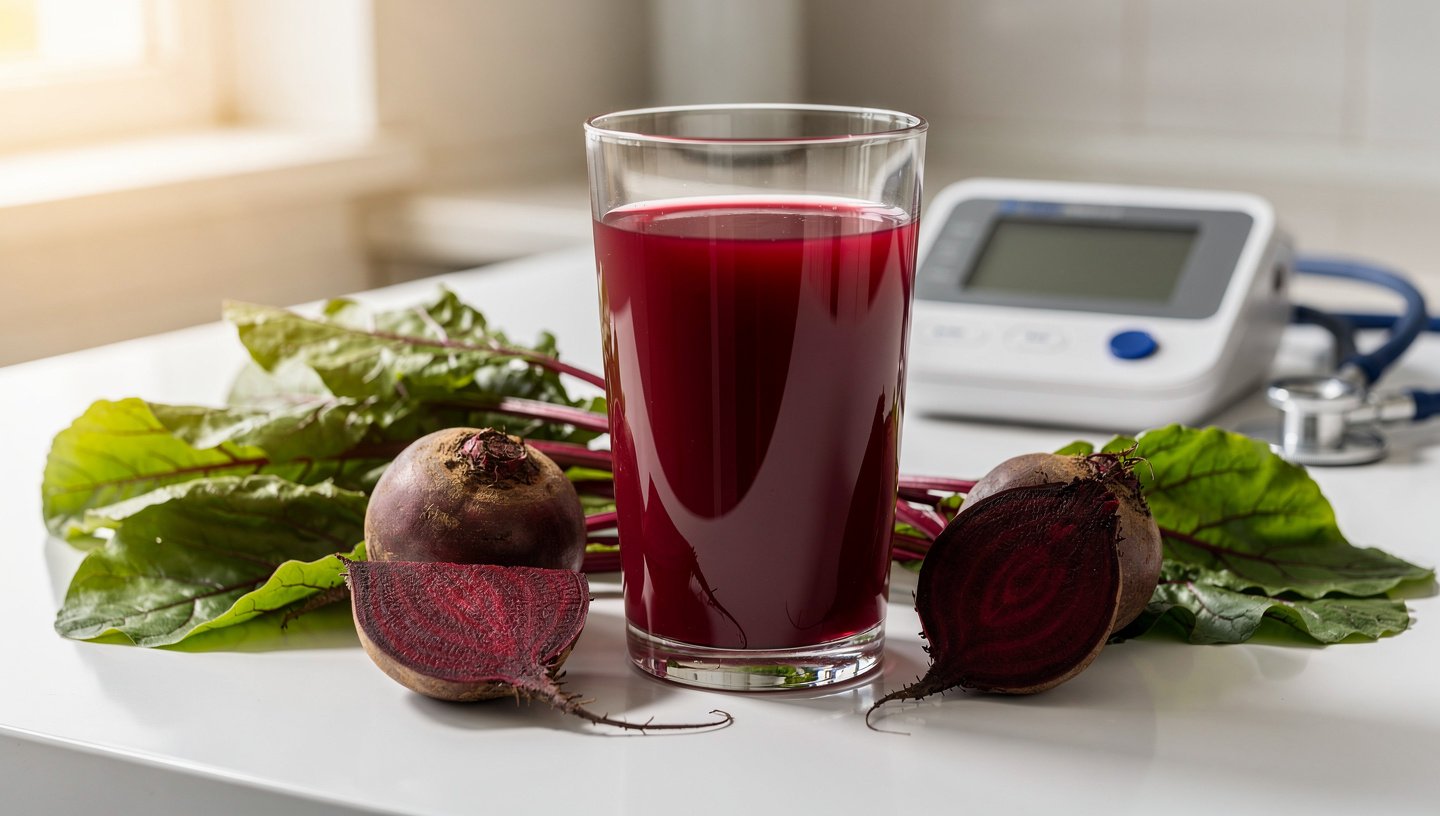
Many people struggling with high blood pressure are turning to beetroot juice as a natural remedy, and honestly, the science backs this up pretty well. If you’re over 60, you might want to pay attention here – a University of Exeter study found that drinking beetroot juice daily for just 2 weeks can drop your blood pressure by around 7 mm Hg. That’s actually significant. The magic ingredient? Nitrates. Your body converts these nitrates into nitric oxide, which helps relax your blood vessels and improve blood flow. But here’s something you probably didn’t know – poor oral health can completely mess with this process because you need certain bacteria in your mouth to make the conversion happen. So if you’re considering beetroot juice for blood pressure management, it’s not just about drinking it… your dental hygiene matters too.
Key Takeaways:
- Studies from the University of Exeter show that drinking beetroot juice regularly might actually lower blood pressure in people over 60. The trial had participants downing nitrate-rich beetroot juice every day for two weeks, and the results? A drop of about 7 mm Hg in older adults – which is pretty significant when you think about it.
- The magic ingredient here is nitrates. Beetroot is absolutely packed with them, and these nitrates are what make the whole blood pressure thing work. Your body converts these dietary nitrates into nitric oxide, which is crucial for keeping your blood pressure in check.
- Here’s something interesting though – your oral health plays a bigger role than you’d think. If you’ve got poor oral hygiene, it can actually mess with your body’s ability to convert those nitrates into nitric oxide. So brushing your teeth isn’t just about avoiding cavities… it might help your blood pressure too.
- Researchers believe the nitrate in beetroot juice works double duty. It doesn’t just help produce more nitric oxide – it also reduces harmful bacteria in your mouth. And those bad bacteria? They’re the ones that interfere with the whole nitrate-to-nitric-oxide conversion process.
- The findings suggest this isn’t just some random health fad. There’s real science backing up why beetroot juice could be a natural way to help manage blood pressure, especially for older adults who are more at risk for hypertension-related issues.
What’s the Buzz About Beetroot Juice?
You’ve probably seen those tiny bottles of deep purple liquid at your local health food store and wondered if they’re worth the hype. Well, researchers at the University of Exeter decided to find out, and what they discovered might actually surprise you – especially if you’re over 60. Their study showed that drinking beetroot juice daily for just two weeks led to a blood pressure drop of approximately 7 mm Hg in older adults. That’s not a small change… that’s the kind of reduction doctors get excited about. And the best part? You’re literally just drinking juice.
Seriously, What’s in This Stuff?
The secret weapon here isn’t some exotic compound or pharmaceutical ingredient – it’s nitrates. Yep, the same stuff you’ve probably heard warnings about in processed meats, but here’s where it gets interesting: beetroot’s high nitrate content is actually what makes it so effective for blood pressure. Your body takes those dietary nitrates and converts them into nitric oxide, which acts like a natural relaxant for your blood vessels. Think of it as giving your arteries a gentle massage from the inside out.
How Does it Work Its Magic?
Here’s something most people don’t realize – your mouth plays a starring role in this whole process. Those nitrates from beetroot juice need bacteria in your mouth to kickstart their transformation into nitric oxide. But there’s a catch: poor oral health can actually impede the conversion of dietary nitrate to nitric oxide, which means your blood pressure benefits might take a hit if you’re not taking care of your teeth and gums.
The University of Exeter findings revealed something even more fascinating about how this works. The nitrates don’t just passively convert into helpful compounds – they actively work to reduce harmful oral bacteria while enhancing nitric oxide production. So you’re getting a two-for-one deal here. Your blood vessels relax because of increased nitric oxide, and simultaneously, the bad bacteria that could interfere with this process are being knocked back. It’s like your body has its own quality control system, and beetroot juice is feeding it exactly what it needs to function properly.
Can It Really Lower Blood Pressure?
My neighbor swears she ditched her afternoon blood pressure medication after adding beetroot juice to her morning routine – and honestly, she might be onto something. Research from the University of Exeter shows that regular consumption of beetroot juice may genuinely lower blood pressure in adults over 60. But here’s where it gets interesting… the effect isn’t just about drinking some magical red liquid. Your oral health actually plays a massive role in whether this works for you or not. Effect of beetroot juice on lowering blood pressure in free… living adults demonstrates these connections clearly. Poor oral hygiene can completely sabotage the whole process because your mouth bacteria are necessary for converting dietary nitrate into nitric oxide – the compound that actually relaxes your blood vessels.
The Science Behind the Claims
Beetroot’s superpower comes down to one thing: its incredibly high nitrate content. When you consume these nitrates, bacteria in your mouth start a conversion process that eventually produces nitric oxide in your body. This nitric oxide then signals your blood vessels to relax and widen, which naturally reduces the pressure inside them. So basically, you’re giving your cardiovascular system a chemical nudge to chill out. And the beauty of it? It’s using your body’s own mechanisms rather than forcing change through synthetic compounds.
What the Studies Say
The University of Exeter trial put this to the test with older adults drinking nitrate-rich beetroot juice daily for two weeks straight. The results were pretty compelling – participants experienced a blood pressure drop of approximately 7 mm Hg. That might not sound like much, but in blood pressure terms, that’s actually significant enough to potentially reduce cardiovascular risk. The researchers didn’t stop there though… they wanted to understand the mechanism behind these numbers.
What they discovered was fascinating. The nitrates weren’t just magically lowering blood pressure on their own. Instead, they were reducing harmful oral bacteria while simultaneously enhancing nitric oxide production. It’s like a two-for-one deal – you’re cleaning up the bad actors in your mouth while boosting the good chemical messengers your blood vessels need. But this also means if you’ve got gum disease or poor oral hygiene, you might not see the same benefits because those beneficial bacteria can’t do their job properly. Your dentist might actually be more connected to your blood pressure management than you ever realized.
My Take on Drinking Beetroot Juice
After digging through the University of Exeter research showing 7 mm Hg drops in blood pressure for adults over 60 who drank beetroot juice daily for just two weeks, I’ve become a cautious believer. The science behind it – those nitrates converting to nitric oxide in your mouth – actually makes sense when you understand the mechanism. But here’s something that surprised me: your oral health directly affects how well this works. If you’ve got poor dental hygiene, those beneficial bacteria can’t do their job converting nitrates properly, and you’re basically wasting your time and money on expensive juice.
Taste Test – Is It Worth It?
I’ll be straight with you… beetroot juice tastes like drinking dirt mixed with sugar. It’s earthy, intensely sweet, and leaves this metallic aftertaste that lingers for hours. Some brands are worse than others, and the concentrated shots are particularly brutal. But if you’re looking at potential blood pressure reduction without medication side effects, a few seconds of unpleasant taste seems like a fair trade-off. You get used to it after a week or so, though “enjoy” might be too strong a word.
How to Sneak it Into Your Diet
Mixing beetroot juice with other strong flavors completely masks that earthy taste most people hate. Berry smoothies work brilliantly – the tartness of strawberries or raspberries overpowers the beet flavor while you still get those blood pressure-lowering nitrates. Apple juice is another solid option, or you can add it to your morning orange juice in a 1:3 ratio. Just don’t brush your teeth immediately before or after drinking it, since you need those oral bacteria alive and working to convert the nitrates into nitric oxide.
The blending approach gives you flexibility with portions too. Starting with just an ounce or two mixed into a larger drink helps your taste buds adjust gradually. Some people swear by adding ginger or lemon to cut through the earthiness, while others go the opposite direction and mix it into tomato-based vegetable juices where it practically disappears. Freezing it into ice cubes lets you add small amounts to different drinks throughout the day instead of choking down a full glass at once. You could even blend the cubes into post-workout protein shakes. The goal is consistency – daily consumption for at least two weeks – so finding a method you can actually stick with matters more than drinking it straight.
Other Benefits You Might Not Know About
Beyond the blood pressure perks, beetroot juice packs some surprising advantages that often fly under the radar. Athletes have been chugging this stuff for years because it genuinely improves exercise performance – you’ll find yourself with better stamina and endurance after regular consumption. The nitrates don’t just help your heart… they also boost blood flow to your brain, which means sharper thinking and potentially better cognitive function as you age. Plus, the betalains (those compounds that make beets so intensely red) act as powerful anti-inflammatory agents throughout your body.
Are There More Perks to Drinking Beet Juice?
What else can this crimson drink do for you? Studies show it might support liver detoxification thanks to compounds called betaines, and the fiber content helps keep your digestive system running smoothly. Some research even suggests regular consumption could help manage blood sugar levels, though you shouldn’t replace your diabetes medication with vegetables. The antioxidants in beetroot juice fight oxidative stress, which is linked to everything from premature aging to chronic disease.
Beetroot Juice vs Other Remedies
So how does beetroot stack up against other natural blood pressure solutions? Compared to garlic supplements or hibiscus tea, beetroot juice has more robust scientific backing – particularly that University of Exeter study showing a 7 mm Hg drop after just 2 weeks of daily consumption in adults over 60. The nitrate pathway it uses is unique and well-documented.
What makes beetroot juice stand out from the crowd is its dual-action mechanism. While pomegranate juice and dark chocolate also contain beneficial compounds for heart health, beetroot’s high nitrate content specifically targets your oral bacteria in ways other remedies don’t. The trial participants who drank nitrate-rich beetroot juice daily experienced benefits because the nitrates reduced harmful bacteria in their mouths while simultaneously boosting nitric oxide production. But here’s something important – if you’ve got poor oral health, you’re actually blocking this conversion process from dietary nitrate to nitric oxide. That means brushing and flossing aren’t just about cavity prevention… they’re vital for blood pressure regulation too. Other natural remedies like CoQ10 or omega-3s work through completely different pathways, so you could theoretically combine them with beetroot juice for complementary effects.
Risks and Considerations – Should You Be Careful?
Just because something’s natural doesn’t mean it’s harmless for everyone. Beetroot juice packs a powerful punch with those nitrates we’ve been talking about, and while that’s great for blood pressure, you need to know what you’re getting into. The same compounds that make beetroot juice effective can also cause issues for certain people, especially if you’re chugging it down without thinking about your specific health situation. Your body chemistry is unique, and what works wonders for your neighbor might not be the best choice for you.
Potential Side Effects to Watch Out For
The most common thing you’ll notice? Your urine and stools might turn pink or red – it’s called beeturia and it’s totally harmless, just startling if you’re not expecting it. Some people experience stomach upset or digestive issues, particularly when they first start drinking it. You might also notice your blood pressure drops too much if you’re already on medication, which is why monitoring matters. And here’s something interesting… poor oral health can actually mess with how well beetroot juice works since you need healthy bacteria in your mouth to convert those nitrates into nitric oxide.
Who Should Probably Avoid It?
If you’re dealing with kidney stones or have a history of them, beetroot juice isn’t your friend. Beets are high in oxalates, which can contribute to stone formation in susceptible people. Anyone with low blood pressure should be cautious too – adding beetroot juice could drop it even further and leave you feeling dizzy or weak.
People taking nitrate-based medications for heart conditions need to talk with their doctor before adding beetroot juice to their routine. The combination could cause dangerously low blood pressure levels. And if you’re scheduled for surgery? Stop drinking it at least two weeks beforehand since it affects blood pressure during procedures. Diabetics should also be aware that beetroot contains natural sugars – not a ton, but enough that you’ll want to factor it into your daily carb count and monitor your levels accordingly.
The Real Deal About Oral Health and Nitrate
Your mouth isn’t just the entry point for beetroot juice – it’s actually where the magic starts happening. The bacteria living on your tongue are responsible for converting the nitrates from beetroot into nitrite, which then gets transformed into nitric oxide in your bloodstream. Without these beneficial bacteria doing their job, you’re basically just drinking expensive red juice. The University of Exeter study that showed a 7 mm Hg blood pressure drop in adults over 60 after two weeks of daily beetroot juice consumption? That success depended entirely on participants having healthy oral bacteria to kickstart the conversion process.
How Your Gums Play a Role
Gum disease and poor oral hygiene don’t just affect your smile – they can completely sabotage your blood pressure benefits from beetroot juice. When you’ve got inflammation or infection in your gums, the harmful bacteria crowd out the good bacteria that convert nitrates. Studies show that people with periodontitis have significantly reduced nitric oxide production, even when consuming nitrate-rich foods. So if your gums bleed when you brush or you’ve been putting off that dental appointment… well, that might explain why the beetroot juice isn’t working like you hoped.
Keeping Your Mouth in Check
Antibacterial mouthwash might seem like a good idea, but it’s actually one of the worst things you can use if you’re trying to lower blood pressure with beetroot juice. These products kill off the beneficial bacteria along with the bad ones, importantly blocking the entire nitrate-to-nitric-oxide pathway. Research has shown that using antibacterial mouthwash can completely eliminate the blood pressure-lowering effects of dietary nitrates within hours.
Your best bet is sticking to regular brushing and flossing without harsh antiseptic rinses. Plain water or a simple salt water rinse works fine for freshening breath without nuking your beneficial bacteria. And here’s something interesting – the bacteria you need most for nitrate conversion actually thrive on the back of your tongue, so gently cleaning that area during your normal routine helps maintain a healthy bacterial balance. If you’re serious about getting results from beetroot juice, treating your oral health as part of the equation isn’t optional.
Conclusion
Upon reflecting on the evidence, you might think beetroot juice is just another health fad… but the science actually backs this one up. Your blood pressure could genuinely benefit from that daily glass of beetroot juice, especially if you’re over 60. The nitrates do their magic by converting to nitric oxide in your body, which helps relax your blood vessels. But here’s something you probably didn’t expect – your oral health plays a huge role in this process. If you’ve got poor dental hygiene, you’re basically sabotaging the whole system because those helpful bacteria in your mouth need to be thriving to make the conversion happen. So yeah, beetroot juice can fix your blood pressure, but you need to take care of your teeth too.
FAQ
Q: How does beetroot juice actually lower blood pressure?
A: Studies show that beetroot juice can reduce systolic blood pressure by about 7 mm Hg in older adults – that’s actually pretty significant when you think about it. The magic happens because beetroot is loaded with dietary nitrates, and your body converts these nitrates into nitric oxide. This compound relaxes and widens your blood vessels, which makes it easier for blood to flow through them… kind of like widening a highway to reduce traffic congestion. But here’s where it gets interesting – the conversion process starts right in your mouth with certain bacteria, so if you’re constantly using antibacterial mouthwash, you might be sabotaging the whole thing. Your oral microbiome plays a bigger role than most people realize.
Q: How much beetroot juice do I need to drink to see results?
A: The University of Exeter study had participants drinking nitrate-rich beetroot juice daily for two weeks before seeing measurable changes. Most research suggests around 250ml (about a cup) of beetroot juice per day is the sweet spot. You don’t need to chug gallons of the stuff – consistency matters more than quantity here. Some people start noticing effects within hours, but the real benefits come from making it a regular habit. And yeah, your pee might turn pink… that’s totally normal and nothing to freak out about. Just a heads up so you don’t panic the first time it happens!
Q: Can poor oral health really affect how well beetroot juice works?
A: Absolutely, and this one surprises a lot of people. Your mouth bacteria are actually the first step in converting those nitrates from beetroot into nitric oxide – the compound that does the heavy lifting for blood pressure regulation. If you’ve got poor oral health or you’re killing off beneficial bacteria with harsh mouthwashes, you’re basically blocking the entire process before it even starts. The research shows that harmful oral bacteria can interfere with this conversion, which means you could be drinking all the beetroot juice in the world and not getting the full benefits. So taking care of your teeth and gums isn’t just about avoiding cavities – it’s connected to your cardiovascular health too.
Q: Is beetroot juice more effective for older adults?
A: The Exeter study specifically focused on adults over 60 and found particularly promising results in this age group. Older adults tend to have stiffer blood vessels and reduced nitric oxide production naturally, so the nitrates from beetroot juice can really make a difference. That 7 mm Hg drop might sound small, but for someone in their 60s or 70s dealing with borderline high blood pressure, it could mean the difference between needing medication or managing things through diet. Younger people can benefit too, but the effects might be less dramatic because their cardiovascular systems are typically in better shape to begin with. It’s not that it doesn’t work for younger folks – it’s just that older adults seem to get more bang for their buck.
Q: Should I stop taking my blood pressure medication and switch to beetroot juice?
A: No way – don’t do that without talking to your doctor first. Beetroot juice can be a great addition to your blood pressure management strategy, but it’s not a replacement for prescribed medication if you need it. Think of it more like a supportive measure that works alongside other healthy habits. The research shows it can help, and some people might eventually reduce their medication under medical supervision, but that’s a decision you need to make with your healthcare provider. Plus, if you’re already on blood pressure meds and you start drinking beetroot juice, you’ll want to monitor your levels because the combined effect could drop your pressure too low. Better to be safe and keep your doctor in the loop about any dietary changes you’re making.