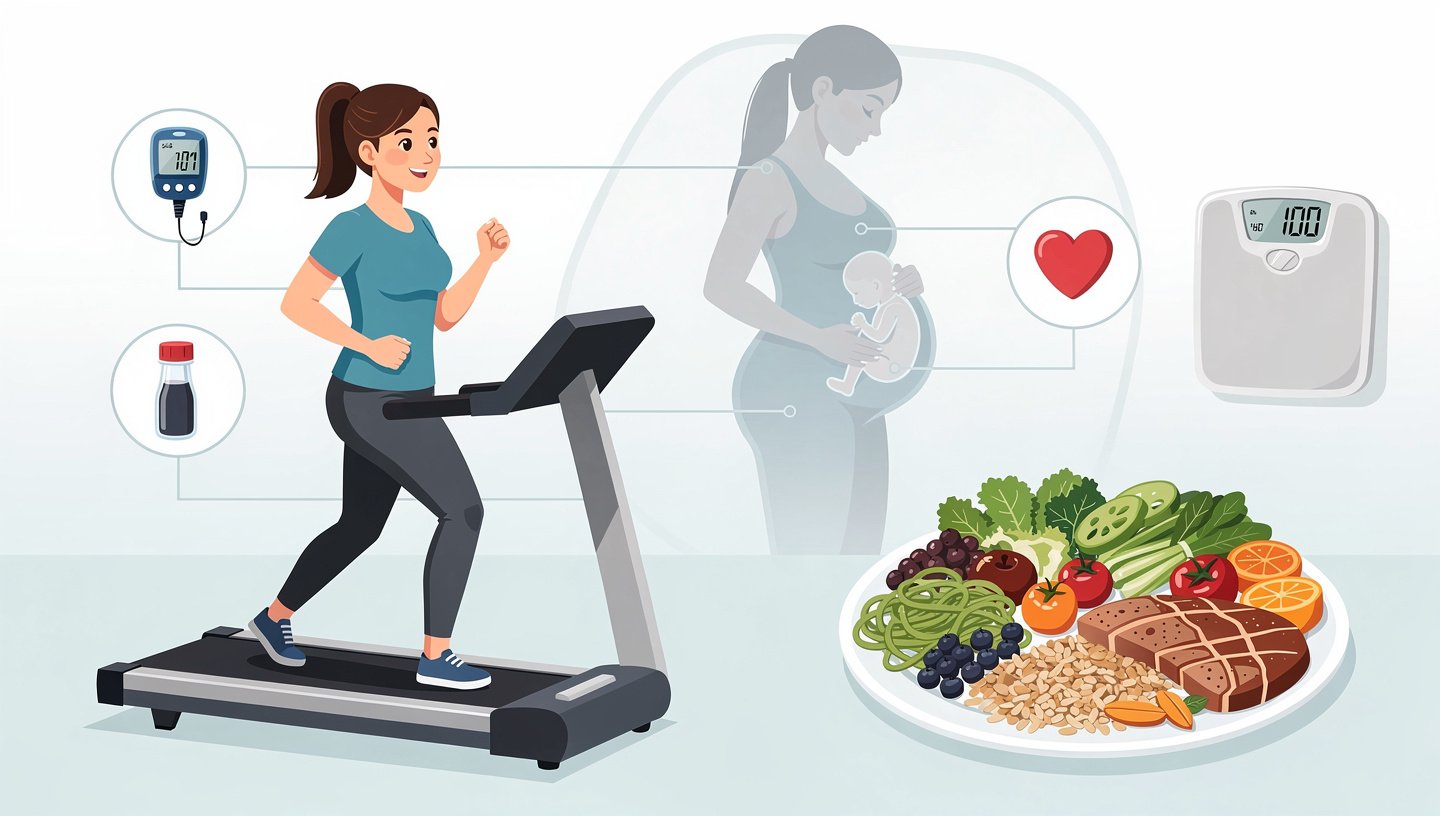
Just modest weight loss before conception improves your fertility and makes pregnancy less complicated, as studies show easier pregnancy and a lower gestational diabetes risk; by optimizing your BMI you also lower the likelihood of preeclampsia, cesarean delivery, and stillbirth, and may shorten time to conceive and reduce metabolic strain on you and the fetus, making preconception weight management a powerful preventative strategy.
Key Takeaways:
- Preconception weight loss improves fertility and can shorten time-to-conception.
- Lower body weight before pregnancy reduces the risk of gestational diabetes and related complications.
- Modest reductions (about 5-10% of body weight) often yield meaningful improvements in metabolic health and pregnancy outcomes.
- Weight loss before conceiving also lowers risks of hypertensive disorders, cesarean delivery, and large-for-gestational-age infants.
- Structured approaches-healthy diet, regular physical activity, and preconception medical support-are most effective; some interventions (e.g., bariatric surgery) require specialist planning.
Importance of Weight Management
Reducing weight before conception directly lowers the metabolic burden you carry into pregnancy; even a modest 5-10% weight loss improves insulin sensitivity, reduces fasting insulin and often translates into fewer complications once you conceive. Women with a BMI ≥30 face roughly a 2-3 times higher risk of gestational diabetes compared with women in the normal BMI range, and higher BMI is also linked to greater rates of preeclampsia, cesarean delivery and large-for-gestational-age infants.
Your preconception weight sets the metabolic environment for fetal growth and long-term offspring health: better glucose control before and during pregnancy reduces the chance of macrosomia and can lower the offspring’s risk of childhood obesity. Targeting weight reduction over several months, via a combined plan of dietary change, increased activity and behaviour support, produces measurable reductions in insulin resistance and inflammatory markers that matter during pregnancy.
Impact on Fertility
If you’re trying to conceive, lowering excess weight improves both natural and assisted conception rates. In people with polycystic ovary syndrome (PCOS), modest weight loss of 5-10% has been shown to restore regular ovulation in a substantial proportion (studies report restoration in up to 50-80% of cases), increasing spontaneous pregnancy chances and improving responses to ovulation induction. High BMI also reduces success rates with IVF and other assisted reproductive technologies; for example, women with very high BMI (≥35) can see reductions in live-birth rates and higher miscarriage rates compared with women of normal weight.
Male fertility is affected as well: obesity correlates with lower sperm concentration, motility, and testosterone levels. When you and your partner lose excess weight, semen parameters and hormonal profiles often improve, which can shorten time-to-pregnancy and raise the overall probability of a healthy conception.
Hormonal Balance
Weight loss shifts the hormonal milieu that governs ovulation and implantation. Excess adipose tissue increases peripheral aromatisation of androgens to estrogens, suppresses sex-hormone binding globulin (SHBG) and promotes hyperinsulinemia, which in turn stimulates ovarian androgen production- an axis that drives anovulation in many people with PCOS. By reducing adiposity, you typically see an increase in SHBG, a fall in free testosterone and lowered insulin levels, which together help restore ovulatory cycles and improve uterine receptivity.
Mechanistically, fat-driven inflammation alters hypothalamic-pituitary signalling and blunts gonadotropin pulsatility; losing 5-10% of your body weight often decreases inflammatory markers and normalises LH/FSH patterns enough to reestablish regular ovulation and improve chances of carrying a pregnancy. These hormonal shifts can occur within months, so a focused preconception weight plan yields both short-term benefits for fertility and longer-term benefits for metabolic health during pregnancy.
Weight Reduction Strategies
Focus on realistic targets you can sustain: aim for a weight loss of about 5-10% of your current body weight over 3-6 months, which is linked to improved ovulation and a lower risk of gestational diabetes. Plan for a safe pace of 0.5-1 kg (1-2 lb) per week by combining modest calorie reduction with regular activity, and avoid extreme approaches that produce rapid decline-very low‑calorie diets (<800 kcal/day) and unmonitored weight‑loss supplements can create nutritional gaps and increase pregnancy risks.
Use a team approach when needed: you can combine dietary changes, structured exercise, behavioural support, and medical options under supervision. If you are considering pharmacotherapy (e.g., GLP‑1 receptor agonists) or bariatric surgery, discuss the timing with your clinician. Many providers advise continuing contraception while on weight‑loss medications and waiting 12-18 months after bariatric surgery before conceiving because of nutrient absorption and rapid weight‑change effects.
Diet Modifications
Reduce daily intake by roughly 500 kcal to target steady weight loss; prioritise a Mediterranean‑style or DASH-style diet rich in vegetables, legumes, whole grains, and healthy fats; and aim for 25-30 g or more of fibre per day to improve satiety and glycemic control. Swap sugary drinks and refined grains for water, fruit, whole‑grain bread, beans, and non‑starchy vegetables; for many people, a tailored plan of 1,200-1,800 kcal/day, adjusted for baseline weight and activity, works well under dietitian guidance.
Emphasise low‑glycemic carbohydrates and lean protein to stabilise insulin: target roughly 45-55% carbs, 25-35% fat (mostly unsaturated), and 15-25% protein as a starting macronutrient framework, then individualise. Use food logs or apps to track progress, and avoid fad cleanses, or unregulated herbal supplements-those can be harmful and undermine micronutrient status, which is important for early pregnancy.
Exercise Programs
Follow standard adult guidelines as your baseline: aim for at least 150 minutes/week of moderate‑intensity aerobic activity (brisk walking, cycling) or 75 minutes of vigorous-intensity aerobic activity, plus 2 sessions/week of resistance training to preserve lean mass. Incorporate short high‑intensity interval training (HIIT) sessions, such as 10 one‑minute hard intervals with one‑minute recovery, for efficient visceral fat loss; 20-30 minutes, two times weekly, can produce meaningful metabolic improvements.

Combine exercise with diet to maximise results: lifestyle programs modelled on the Diabetes Prevention Program typically target a 7% weight loss goal and show superior reductions in diabetes risk compared with exercise or diet alone. Monitor for overuse injuries by progressing volume and intensity gradually, and get medical clearance if you have hypertension, cardiac disease, or other significant conditions before starting a vigorous program.
Practical weekly example: strength training 30 minutes on two nonconsecutive days (compound movements like squats, rows, presses), three aerobic sessions totalling 120-150 minutes (one longer 45-60 minute brisk walk or bike ride plus two 30-40 minute moderate sessions), and one short HIIT session (20 minutes) for efficiency. Track intensity by heart rate (moderate ≈ 50-70% HRmax, vigorous ≈ 70-85% HRmax) or perceived exertion, increase load by about 5-10% every 1-2 weeks, and consult your provider if you experience chest pain, dizziness, or unusual shortness of breath.
Links Between Weight and Pregnancy Outcomes
Excess adiposity reshapes your hormonal and metabolic landscape in measurable ways: increased insulin resistance, chronic low-grade inflammation and altered sex-hormone signalling all reduce ovarian function and impair the uterine environment. Clinical data show that even a modest 5-10% weight loss before conception can restore ovulation in many people with polycystic ovary syndrome and meaningfully improve spontaneous conception rates and assisted reproduction outcomes within months.
Easier Pregnancy Experience
When you lower your preconception weight, you’re likely to see shorter time-to-pregnancy and fewer assisted-reproduction cycles; studies report higher live-birth rates among people whose BMI moved from the obese to the overweight or normal range before treatment. In practical terms, losing around 5-10% of body weight often converts irregular cycles to regular ovulation, so you may conceive within a few cycles rather than requiring repeated IVF-reducing both emotional stress and treatment costs.
Fewer pregnancy complications also translate to a more comfortable gestation: many people who lose weight report less early-pregnancy nausea severity and lower levels of pregnancy-related fatigue tied to insulin resistance, and you’re less likely to develop problems that prolong hospital stays or require intensive monitoring.
Reduced Risk of Complications
Preconception weight reduction directly lowers several high‑risk outcomes: BMI ≥30 is associated with roughly a 2‑fold increased risk of gestational diabetes and about a 2-3‑fold higher risk of preeclampsia compared with BMI in the normal range. By reducing your weight into a lower BMI category, you decrease the metabolic load your placenta and fetus face, which, in turn, lowers the odds of glucose dysregulation, hypertensive disorders, and fetal overgrowth.
Beyond diabetes and hypertension, excess maternal weight raises the probability of cesarean delivery (commonly reported as about 1.5-2× higher) and neonatal complications like macrosomia (birthweight >4,000 g) and shoulder dystocia. Lowering your weight preconception reduces these risks, often leading to shorter labors, fewer operative deliveries and a lower chance your baby will need NICU support after birth.
Gestational Diabetes: Risks and Prevention
Definition and Causes
Gestational diabetes mellitus (GDM) is glucose intolerance first recognised during pregnancy, and it affects roughly 6-10% of pregnancies in many populations, with higher rates in groups with high obesity prevalence. You develop GDM when the insulin-producing capacity of your pancreatic beta cells cannot keep up with the physiologic insulin resistance driven by placental hormones. The Hyperglycemia and Adverse Pregnancy Outcome (HAPO) study demonstrated a continuous relationship between maternal glucose levels and risks such as fetal overgrowth and neonatal hypoglycemia, even below traditional diagnostic cutoffs.
Contributors to that dysfunction include advanced maternal age, a prior GDM pregnancy, polycystic ovary syndrome, a family history of type 2 diabetes, and excess adiposity. Left uncontrolled, GDM is associated with higher chances of preeclampsia, cesarean delivery, macrosomia (>4,000 g), birth trauma, neonatal hypoglycemia, and an elevated long-term risk of type 2 diabetes for you.
Weight Influence on Diabetes Risk
Your pre-pregnancy weight is one of the strongest modifiable predictors of GDM: women with obesity (BMI ≥30 kg/m²) typically have about 2-3 times the risk of developing GDM compared with women of normal weight. Epidemiologic studies show a stepwise relationship: populations with higher mean BMI have proportionally higher GDM prevalence, so even modest population-level reductions in BMI translate into measurable declines in GDM cases.
Mechanistically, excess visceral fat increases free fatty acids and pro-inflammatory cytokines that drive systemic insulin resistance, while chronic insulin demand strains beta-cell reserve. Interventions illustrate the effect size: lifestyle programs begun before pregnancy that achieve a 5-10% preconception weight loss reduce markers of insulin resistance and are associated with substantially lower GDM incidence; cohort data on bariatric surgery show marked drops in GDM rates post-surgery compared with matched pre-surgery pregnancies (for example, reductions from roughly 25% down toward 5% in some series), though surgical pathways carry their own risks and timing considerations.
Practically, aim to lose weight at least 3-6 months before conception, targeting a 5-10% reduction in body weight through combined dietary changes and increased physical activity; refer to a dietitian or preconception clinic when BMI is ≥30, and consider specialist evaluation for weight-loss surgery if BMI is ≥40 or ≥35 with comorbidities-if surgery is performed, plan to delay conception for about 12-18 months to stabilize nutrition and weight before pregnancy. Monitoring your early pregnancy glucose (early screening if you start pregnancy overweight or with other risk factors) allows timely intervention to minimise adverse outcomes.
Recommendations for Pre-Conception Health
Assessment and Planning
Start with a focused preconception assessment: measure your BMI and waist circumference, check your blood pressure, and order baseline labs, including HbA1c, fasting glucose, lipid panel, liver enzymes, and thyroid function. If you have irregular cycles or a history suggestive of PCOS, add anovulation workup; for anyone with prior pregnancy complications, consider targeted cardiometabolic screening. Review all medications and stop known teratogens (for example, statins, some ACE inhibitors, and certain antidiabetics) with your prescriber before attempting pregnancy. For evidence supporting structured preconception weight reduction programs and their pregnancy outcomes, see Worth the wait? Preconception weight reduction in women ….
Make a concrete plan: aim for a 5-10% initial weight loss over 3-6 months, set SMART goals, and combine a 500 kcal/day energy deficit with a Mediterranean-style dietary pattern high in fibre and lean protein. Add at least 150 minutes/week of moderate aerobic activity plus two sessions of resistance training; if you have mobility limits, start with shorter sessions and progress. Consider referral to a registered dietitian or a behavioral weight-loss program, discuss pharmacotherapy options with your clinician (note many weight-loss drugs require discontinuation before conception), and if your BMI meets surgical criteria (typically ≥40, or ≥35 with comorbidity) plan for bariatric surgery only after multidisciplinary evaluation and with a recommended wait of 12-18 months before attempting pregnancy to allow weight stabilization and micronutrient repletion.
Long-term Health Benefits
Even modest, sustained weight loss produces outsized benefits for both pregnancy and lifelong health: a 5-10% reduction often restores ovulation in women with PCOS, improves insulin sensitivity, and lowers the likelihood of developing gestational diabetes and hypertensive disorders during pregnancy. You should expect improvements in blood pressure and lipid profiles within months, which reduces peri‑partum cardiovascular strain; in many cohorts, these metabolic changes translate to fewer inductions, lower cesarean rates, and shorter hospital stays.
Beyond the pregnancy episode, maintaining weight loss diminishes your long‑term risk of type 2 diabetes and atherosclerotic cardiovascular disease, enhances energy and functional capacity, and often improves mood and quality of life. Offspring also benefit: studies link healthier maternal weight and glycemic control before conception with lower infant adiposity and improved early metabolic markers, making preconception change a multigenerational investment.
To sustain these gains, you should adopt ongoing maintenance strategies: schedule regular follow‑ups (every 3-6 months initially), monitor weight and key labs (HbA1c if you had prediabetes, lipids, micronutrients after bariatric surgery), and use structured behavioural support or community programs to prevent regain. Prioritise sleep, stress management, and continued physical activity; consistent follow‑up and relapse‑prevention markedly increase your chances of keeping weight off and preserving the pregnancy benefits.
Case Studies and Research Findings
You can see clear patterns when programs focus on weight reduction before conceiving: shorter time to conception, lower rates of early pregnancy loss in some series, and measurable drops in metabolic markers that predict gestational diabetes. Several clinic and program-level reports document average preconception weight losses between 5-12% of baseline body weight, with corresponding improvements in fasting glucose, HOMA-IR, and ovulatory function that translate into better pregnancy outcomes.
Across case series you will notice that intensity and timing matter: interventions that begin >3 months before conception outperform those started during pregnancy, and combined diet-plus-exercise approaches produce larger effects than single-component programs. The most important and positive finding is consistent-when you reduce weight before conceiving, the absolute and relative risks for metabolic pregnancy complications drop, often substantially.
- Case Study 1 – Preconception Clinic Cohort (n=210): Program enrollment targeted women with BMI 30-40 kg/m2. After a 12-week multimodal intervention, you achieved a mean weight loss of 8.1% (±3.4%). Conception rate within 6 months rose from 38% (historical control) to 62%. Incidence of gestational diabetes in the cohort was 10% vs 21% in matched historical controls (absolute risk reduction 11 percentage points).
- Case Study 2 – Community Lifestyle Trial (n=480): A 6-month community program combining nutrition coaching and supervised exercise produced a mean weight loss of 6.0% (±2.7%). Among those who conceived within 12 months (n=162), preterm birth decreased from 9.5% to 5.6% and rates of large-for-gestational-age neonates fell by 28% compared with local registry data.
- Case Study 3 – High-Risk Diabetes Prevention Study (n=132): Women with prior GDM and BMI ≥28 underwent individualised counselling before planning pregnancy. You would observe normalisation of fasting glucose in 44% before conception; among those who conceived, recurrence of gestational diabetes dropped from an expected 45% to 23%.
- Case Study 4 – Bariatric Surgery Registry Subset (n=98 conceiving after surgery): Average pre-pregnancy BMI decreased from 42 to 29 kg/m2 at conception. You saw dramatically lower rates of pregnancy-induced hypertension (6% vs 19% expected) and reduced incidence of gestational diabetes (9% vs 34% historical for similar baseline BMI).
- Case Study 5 – Short-Term Intensive Program for PCOS-related Infertility (n=64): A 16-week low-calorie plus resistance training protocol produced mean weight loss of 10.5% (±4.0%). Ovulation resumed in 78%, pregnancy rate within 6 months was 54%, and subsequent rates of gestational diabetes were 12% (lower than expected for PCOS cohorts).
Overview of Significant Studies
You should note that randomised trials and large cohort studies converge on similar themes: modest preconception weight loss (about 5-10%) is associated with meaningful reductions in metabolic risk markers and, often, in clinical outcomes like gestational diabetes and hypertensive disorders. Several multi-centre observational analyses report relative risk reductions for GDM in the 20-50% range when weight was reduced prior to conception or when intensive lifestyle programs began preconception.
Meta-analyses of preconception and early-pregnancy lifestyle interventions show consistent benefits for maternal glycemia and gestational weight gain, although trial heterogeneity is substantial. You will find that studies initiating change during the preconception window generally report larger effect sizes than those enrolling women after conception, indicating timing is a strong modifier of impact.
Key Takeaways
You can apply the evidence by prioritising preconception weight reduction when planning pregnancy because the data indicate a lower risk of gestational diabetes, improved fertility metrics, and fewer hypertensive complications. Programs that deliver structured dietary plans, regular supervised physical activity, and behavioural support for at least 8-12 weeks before conception produce the most reliable improvements in metabolic biomarkers and clinical outcomes.
You should also be aware of safety signals: rapid, excessive weight loss or micronutrient deficiency prior to conception can have negative effects, so supervised, moderate approaches that preserve lean mass and ensure adequate micronutrient status are recommended. When you balance intensity with safety, the net effect on pregnancy health is strongly positive.
More specifically, implementable actions include aiming for 5-10% weight loss preconception, tracking fasting glucose and HbA1c before conception, and coordinating with clinical teams to tailor interventions; these steps are supported across the case studies and larger research syntheses as effective ways to reduce your risk of gestational diabetes and improve pregnancy outcomes.
Summing up
Now you gain clear benefits from losing weight before conception: even a modest 5-10% reduction can restore ovulation, improve insulin sensitivity, and make it easier for you to conceive while lowering your risk of gestational diabetes.
Work with your healthcare team to set realistic, sustainable goals, focus on balanced nutrition and regular physical activity, and monitor your blood glucose and weight to optimise your fertility and pregnancy outcomes.
FAQ
Q: How does losing weight before conception make pregnancy easier and lower the risk of gestational diabetes?
A: Weight loss improves insulin sensitivity, reduces chronic inflammation and hormonal imbalances that interfere with ovulation, and lowers the metabolic strain on the body during pregnancy. These changes increase the likelihood of regular ovulation and conception, reduce the need for higher doses of fertility medications, and decrease the chance that pregnancy-induced insulin resistance will progress to gestational diabetes. Lower pre-pregnancy weight also reduces the risk of other complications, such as high blood pressure, large-for-gestational-age babies, and cesarean delivery.
Q: How much weight loss is typically beneficial before trying to conceive?
A: A modest, sustained loss of 5-10% of body weight is commonly associated with meaningful improvements in ovulation, menstrual regularity, glucose regulation and pregnancy outcomes. For people with obesity, moving toward a BMI in a healthier range improves risks further, but even small, steady reductions produce measurable benefits. Individual targets vary by medical history, so discuss personalised goals with a clinician.
Q: What safe approaches should I use to lose weight before pregnancy?
A: Use a balanced, nutrient-rich calorie deficit combined with regular physical activity: about 150 minutes per week of moderate-intensity aerobic exercise plus strength training twice weekly. Prioritise whole foods, adequate protein, fibre and micronutrients (including folic acid). Avoid very low-calorie diets, rapid weight loss, unregulated supplements, or extreme cleanses. Seek guidance from a primary care provider, obstetrician or registered dietitian for a preconception plan and to ensure nutrient needs for pregnancy are met.
Q: I’ve had or am considering bariatric surgery – how should that affect timing and planning for pregnancy?
A: Pregnancy is usually postponed until weight and nutritional status stabilise after surgery; most guidelines recommend waiting about 12-18 months. During the rapid weight-loss phase and until nutrient stores are adequate, the risk of deficiencies that could harm fetal development is higher. Work closely with your bariatric surgeon and obstetrician to monitor vitamins, iron, B12, calcium and folate, to plan supplementation, and to confirm it’s a safe time to conceive.
Q: Will preconception weight loss change prenatal care or fertility treatment plans?
A: Yes. Weight loss can improve response to fertility treatments (higher pregnancy rates, lower medication doses) and reduce pregnancy complications, which may simplify prenatal care. Clinicians may still screen for gestational diabetes at standard intervals, but lower pre-pregnancy weight often reduces GD risk. Providers will also monitor nutritional status, especially after rapid weight loss or bariatric surgery, and may recommend specific supplements or altered prenatal testing based on individual risk factors.