Introduction
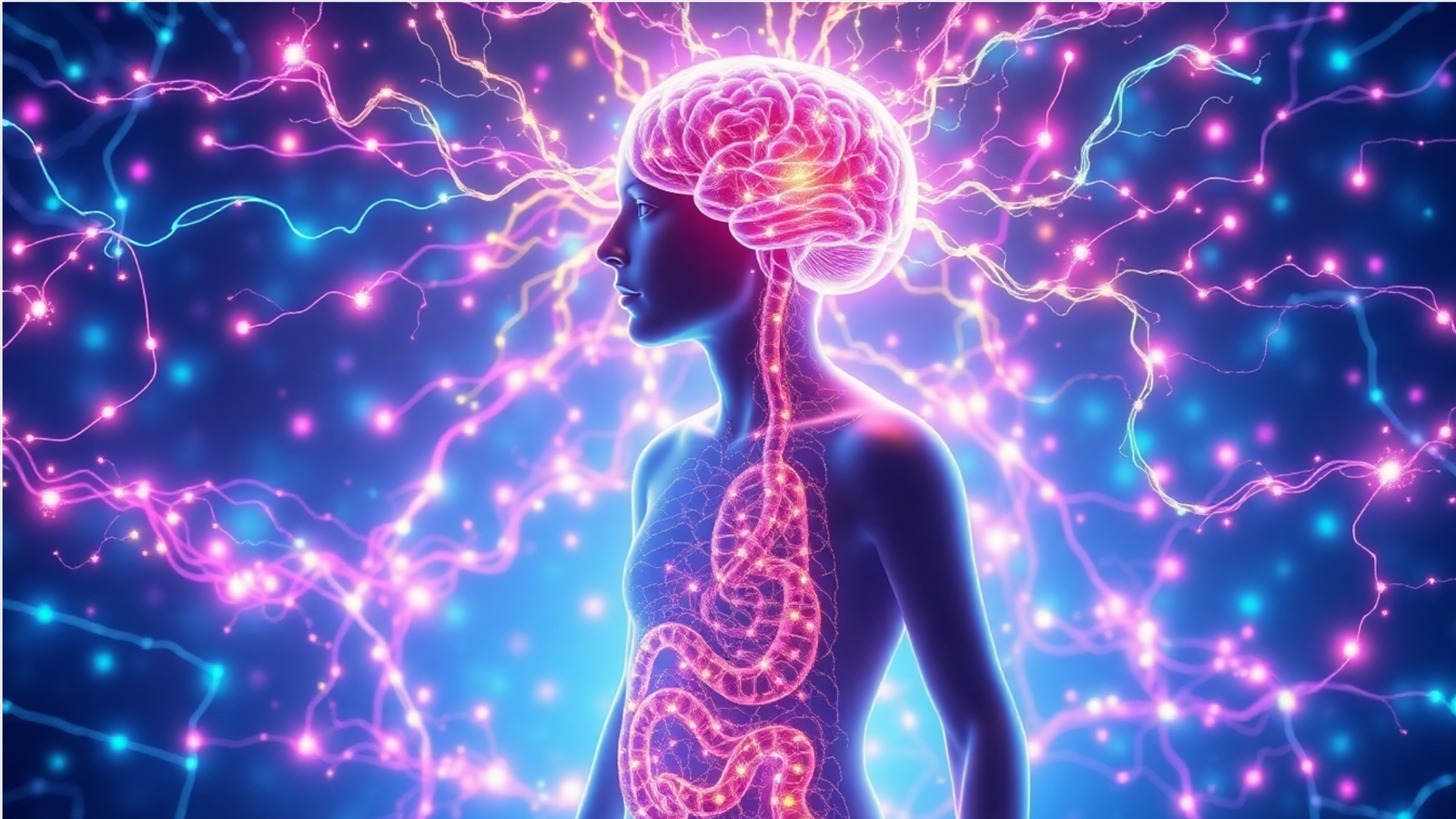
Just beneath the surface of everyday digestion lies an intricate network of neurons, dubbed ‘the second brain,’ that does far more than process food. Scientists have discovered that this enteric nervous system, housed in the digestive tract, plays a vital role in overall health and well-being. Research shows that the gut’s complex ecosystem of microorganisms communicates with the brain, influencing everything from mood and behavior to immune function and metabolism. This fascinating connection has opened new frontiers in understanding how diet and gut health can impact mental and physical wellness, leading researchers to explore innovative treatments for various health conditions.
Key Takeaways:
-
The gut-brain axis functions as a two-way communication system involving immune, endocrine, and neuronal components
-
Various gut microbiota species play a significant role in regulating both healthy and diseased brain functions
-
Western diet habits have been linked to rising obesity rates, affecting public health on a large scale
-
The gut microbiome influences major immunologic, neuronal, and endocrine changes related to obesity development
-
Dietary changes and gut bacteria imbalances may contribute to mental health conditions through gut-brain axis disruption
The Gut-Brain Connection
While scientists once viewed the brain and gut as separate entities, research has revealed an intricate connection between these two vital organs, forming a sophisticated communication network that influences overall health and well-being. This relationship plays a fundamental role in both physical and mental health, affecting everything from digestion to emotional states.
The Gut-Brain Axis Fundamentals
With over 100 million nerve cells lining the gastrointestinal tract, the gut has earned its nickname as the “second brain.” This complex system, known as the enteric nervous system, communicates with the central nervous system through various pathways, including the vagus nerve, which serves as a primary communication highway between the gut and brain.
Bidirectional Communication System
GutBrain communication operates as a two-way street, where signals travel in both directions through neural, endocrine, and immune pathways. Studies show that 90% of serotonin, a key neurotransmitter affecting mood, is produced in the gut, highlighting the digestive system’s significant impact on mental health.
This intricate communication network involves multiple systems working in harmony. The immune system, which houses approximately 70% of its cells in the gut, responds to the microbiota’s composition and activity. Changes in diet can alter this microbial community, potentially affecting both physical health and mental well-being through the gut-brain axis, as demonstrated by recent studies linking dietary patterns to mood disorders and cognitive function.
Microbiome’s Impact on Health
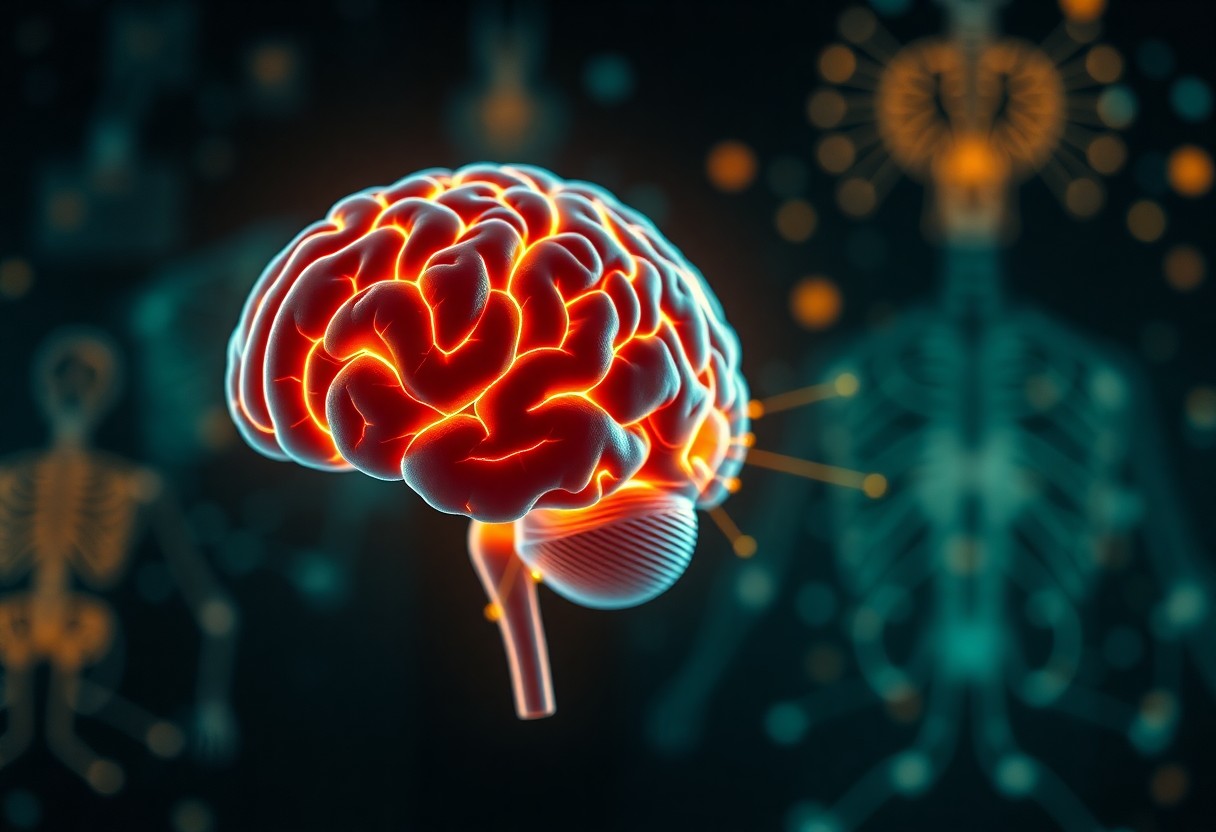
It’s becoming increasingly clear that the gut microbiome serves as a vital control center for overall health. Research shows that these trillions of microorganisms influence everything from immune function to mental health through the gut-brain axis. Studies indicate that up to 70% of immune system function is connected to gut health, while 90% of serotonin production occurs in the digestive tract.
Gut Microbiome and Diet
For optimal gut health, dietary choices play a determining role in shaping the microbiome composition. A diet rich in diverse plant-based foods, fermented products, and fiber supports beneficial bacteria growth, while processed foods and excess sugar can lead to microbial imbalance. Research shows that dietary changes can alter gut microbiota composition within 24-48 hours.
Microbiome Composition Changes
For many individuals, the modern Western diet has led to a significant reduction in microbial diversity. Studies reveal that urban populations typically have 30% less microbial diversity compared to rural communities who maintain traditional dietary patterns. This decrease in diversity has been linked to various health conditions, including obesity and autoimmune disorders.
Microbiome composition shifts occur throughout one’s lifetime, influenced by factors such as age, stress, antibiotics, and environmental exposures. Research indicates that the gut microbiota can experience up to 40% fluctuation in composition over six months. These changes can significantly impact nutrient absorption, immune response, and mental health through the gut-brain axis communication pathway.
Obesity and Gut Flora
Not all gut bacteria are created equal when it comes to weight management. Research shows that obese individuals typically harbor different bacterial compositions compared to their lean counterparts. Studies indicate up to a 20% reduction in beneficial Bacteroidetes and a corresponding increase in Firmicutes in obese subjects, suggesting a direct link between gut flora composition and body weight regulation.
Gut Microbiome and Obesity
Microbiome alterations can significantly influence how the body processes and stores nutrients. Studies have shown that transplanting gut bacteria from obese mice to lean mice results in significant weight gain in the recipients, even without dietary changes. This demonstrates the powerful role gut bacteria play in metabolism and weight regulation.
Metabolic Implications
For individuals with obesity, the gut microbiota affects metabolism in multiple ways. Research indicates that certain bacterial populations can increase caloric extraction from food by up to 15%, influence fat storage, and alter hormones that regulate hunger and satiety.
The metabolic impact of gut bacteria extends beyond simple calorie extraction. These microorganisms influence inflammation levels, insulin sensitivity, and energy expenditure. Studies show that specific bacterial strains can affect the expression of genes involved in fat metabolism and storage, potentially creating a cycle that either promotes or prevents weight gain.
Brain Function and Microbiota
For decades, researchers have explored the intricate connection between gut microbes and cognitive function. Studies reveal that the gut microbiota influences brain development, behavior, and mental health through various biochemical pathways. Research indicates that up to 90% of serotonin, a key neurotransmitter for mood regulation, is produced in the gut, highlighting the significance of maintaining a healthy microbial balance.
Microbiome’s Role in Brain Health
Between the vast colonies of microorganisms residing in the gut and the central nervous system exists a sophisticated communication network. The gut microbiome produces neurotransmitters and metabolites that influence cognitive function, emotional well-being, and mental clarity. Research shows that alterations in gut bacteria composition can impact anxiety levels, depression, and even neurodegenerative conditions.
Neural Signaling Pathways
Among the various communication channels between gut and brain, the vagus nerve stands as a primary conduit. This extensive neural network transmits signals directly from the digestive system to the brain, allowing gut bacteria to influence mood, behavior, and cognitive processes through the production of neuroactive compounds.
The complexity of neural signaling pathways extends beyond simple communication. Scientific evidence demonstrates that gut microbes can trigger the release of inflammatory molecules, affecting brain function and behavior. Studies have shown that approximately 70% of the immune system resides in the gut, making this interaction particularly significant for overall neural health and cognitive performance.
Inflammatory Responses
Now, research shows that the gut microbiota plays a significant role in regulating inflammatory responses throughout the body. Studies indicate that an imbalanced gut microbiome can trigger systemic inflammation, affecting multiple organ systems. Recent data suggests that up to 70% of immune system cells reside in the gut, making it a central hub for inflammatory regulation.
CNS Inflammatory Demyelination
On examining the connection between gut health and neurological conditions, researchers have discovered that gut dysbiosis can contribute to CNS inflammatory demyelination. The process occurs when the protective myelin sheath around nerve fibers deteriorates, leading to various neurological symptoms. Studies show that alterations in gut bacteria composition can influence this process through immune system modulation.
Immune System Interactions
Any disruption in the gut microbiome can significantly impact immune system function. Research indicates that gut bacteria communicate with immune cells through various molecular pathways, influencing both local and systemic immune responses. Studies reveal that approximately 80% of the body’s immune tissue is located in the digestive system.
Inflammatory signals from an unhealthy gut microbiome can trigger a cascade of immune responses throughout the body. The gut barrier’s integrity depends on the balance of beneficial bacteria, which help maintain proper immune function. Research shows that certain bacterial species produce compounds that can either suppress or activate immune responses, demonstrating the complex relationship between gut health and immune system regulation.
Mental Health Connections
All recent research points to the intricate relationship between gut health and mental well-being. Studies indicate that 90% of serotonin, often called the “happiness hormone,” is produced in the gut, demonstrating the powerful influence of the gut-brain axis on emotional regulation. The bidirectional communication between these systems affects mood, anxiety levels, and cognitive function through various neural, endocrine, and immune pathways.
Microbiota and Mental Illness
Illness patterns show strong correlations with gut microbiome composition. Research reveals that patients with depression and anxiety often display distinct microbial profiles compared to healthy individuals. Studies have found that up to 35% of patients with major depressive disorder show significant alterations in their gut bacterial communities, suggesting a direct link between microbiota balance and mental health outcomes.
Obesity-Related Mental Health Impact
Microbiota imbalances in individuals with obesity show significant associations with mental health challenges. Research indicates that altered gut bacteria compositions in obese patients correlate with increased rates of depression and anxiety, with studies showing up to 55% higher prevalence of mood disorders in this population compared to individuals with healthy weight.
It has been observed that obesity-related changes in gut microbiota composition can trigger inflammatory responses that affect brain function. The Western diet, high in processed foods and sugar, alters the microbial ecosystem, leading to increased intestinal permeability and systemic inflammation. These changes can impact neurotransmitter production and neural signaling, potentially contributing to mood disorders and cognitive decline.
To wrap up
Now, the scientific understanding of the gut-brain connection reveals its profound influence on overall health and well-being. Research demonstrates how the gut microbiome acts as a second brain, influencing mental health, immune function, and metabolic processes through complex biochemical pathways. The evidence shows that dietary choices directly impact this delicate ecosystem, with modern eating habits potentially disrupting the balance and contributing to both physical and mental health conditions. By acknowledging this intricate relationship, medical professionals can better approach treatment strategies that consider both gut and brain health as interconnected systems.
Reference for article https://pmc.ncbi.nlm.nih.gov/articles/PMC4798912/
FAQ
Q: How does the gut microbiome influence our mental health?
A: The gut microbiome communicates with our brain through a complex network called the gut-brain axis. These microorganisms produce neurotransmitters and other chemicals that affect mood, anxiety levels, and cognitive function. Research shows that a healthy gut microbiome can promote better mental well-being, while an imbalanced microbiome may contribute to depression, anxiety, and other mental health conditions.
Q: What impact does Western diet have on gut health?
A: Western diets, typically high in processed foods, sugars, and unhealthy fats, can significantly disrupt the gut microbiome balance. This disruption leads to inflammation, reduced bacterial diversity, and altered gut barrier function. These changes not only affect digestive health but also contribute to obesity, metabolic disorders, and potential mental health issues.
Q: How can I improve my gut microbiome naturally?
A: You can enhance your gut microbiome by consuming a diverse range of fiber-rich foods, including fruits, vegetables, whole grains, and legumes. Adding fermented foods like yogurt, kefir, and sauerkraut provides beneficial probiotics. Regular exercise, adequate sleep, and stress management also support optimal gut health.
Q: What signs indicate an unhealthy gut?
A: Common indicators of poor gut health include frequent digestive issues like bloating, gas, and irregular bowel movements. Other signs may include unexplained weight changes, sleep disturbances, skin problems, food intolerances, and frequent mood swings. These symptoms often suggest an imbalance in the gut microbiome.
Q: How long does it take to restore gut health?
A: The timeline for improving gut health varies among individuals, but positive changes can begin within days of adopting healthier dietary habits. However, establishing a robust and balanced gut microbiome typically takes 3-6 months of consistent healthy eating, lifestyle modifications, and stress management practices.