Signs of Emotional Distress in a Child
Recognise & Support Early.
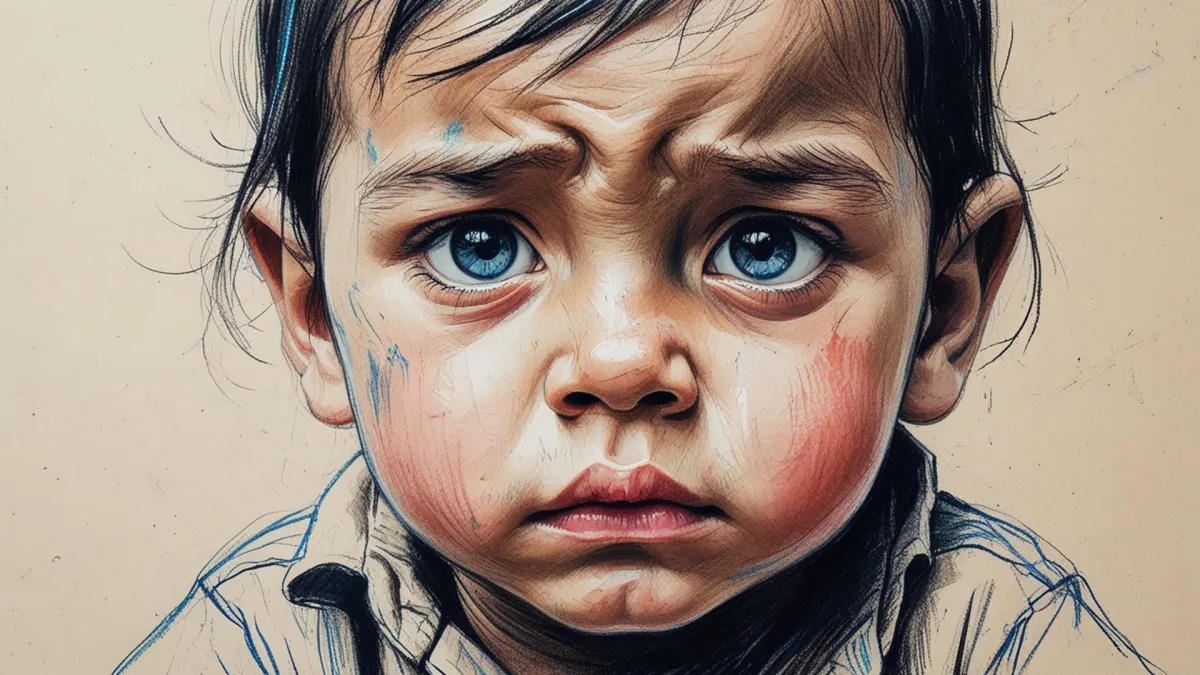
Children can’t always express what they are feeling in words, which makes it crucial to recognise the subtle signs of emotional distress in a child. These signs are overlooked, but by identifying them early, you can offer the right support and help children navigate difficult emotional experiences.
This post highlights the common signs of emotional distress in children, the causes behind them, and how to provide the necessary support, including when to seek professional help from a child psychologist.
Emotional Distress in Children
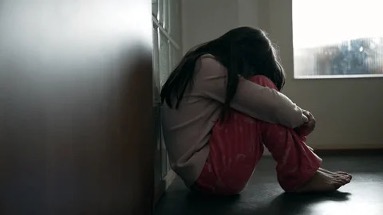
Emotional distress is a state of emotional pain or discomfort that interferes with a child’s ability to cope with their everyday life. While occasional sadness, frustration, or irritability is normal, persistent emotional distress is only a temporary mood change. It may manifest in various ways and could be a sign that a child is struggling with an underlying issue, whether it’s stress, anxiety, trauma, or other challenges that affect their mental health.
Common Signs of Emotional Distress
1. Behavioural Changes
The most noticeable sign of emotional distress in a child is a sudden behaviour change. For example, a previously social child may become withdrawn, or a calm child may start exhibiting aggression. Such behaviour changes can signal that something deeper is going on. Children may act out or retreat into themselves when they are struggling, as they may not have the language or ability to express their feelings.
2. Academic Struggles
A sudden drop in academic performance or loss of interest in schoolwork can be a clear indicator that something is troubling a child. If a child who once enjoyed learning starts to avoid school or shows signs of academic struggle, it could be linked to emotional distress. Issues at home, bullying, or social isolation may impact their ability to concentrate or engage in class.
3. Changes in Sleep or Eating Patterns
Emotional distress affects a child’s ability to sleep and eat normally. Children may experience difficulties falling asleep, nightmares, or extreme fatigue, which may not be typical. Some children may eat more than usual, while others may lose interest in food altogether. If you notice sudden extreme fatigue in your child or significant changes in their eating habits, this could be a sign that they are struggling emotionally.
4. Frequent Mood Swings or Emotional Outbursts
While mood swings are common in children, frequent and intense mood swings may point to emotional distress. A child who becomes easily upset, angry, or bursts into tears without any clear reason may be experiencing emotional turmoil. These outbursts may seem uncharacteristic for the child, signaling that they are overwhelmed by emotions they may not fully understand.
Causes of Emotional Distress in Children
There are many potential causes of emotional distress in children, and sometimes a combination of factors may be at play. Here are some common triggers:
-
Stress from School, Family, or Peers: School pressure, family dynamics, and social relationships can all contribute to stress. Bullying or peer conflict can have a profound emotional impact on children.
-
Bullying or Social Isolation: Children who are bullied or feel isolated may experience anxiety, depression, and emotional distress. The emotional wounds caused by bullying can sometimes be more damaging than physical ones.
-
Major Life Changes: Significant life changes, such as the divorce of parents, the death of a loved one, or a family relocation, can cause intense emotional distress. Children may struggle to adapt to these changes and not know how to express their feelings.
When to Seek Professional Help
It’s important to know when emotional distress in a child goes beyond what can be handled at home. While emotional ups and downs are a natural part of growing up, persistent symptoms lasting more than a few weeks could indicate that a child needs professional support. Here are some signs that it may be time to consult a child psychologist:
-
Persistent Symptoms: If a child shows signs of emotional distress for several weeks or more without improvement, it is a good idea to seek help.
-
Signs of Self-Harm or Extreme Withdrawal: Any signs of self-harm or excessive withdrawal from family and friends should be taken seriously. These behaviours may indicate that a child is in crisis and needs immediate professional support.
-
Difficulty Coping with Day-to-Day Activities: If a child struggles to go to school, engage in activities they once enjoyed, or cope with daily life, it is time to consult a child psychologist.
Rena Kouppa’s Approach to Child Emotional Wellness
At Brave Little Heroes, we understand the importance of recognising and addressing emotional distress in children. Our approach combines specialised psychological assessments and therapy to help children express their feelings in a safe, supportive environment. Through our comprehensive programs, we provide children with the tools they need to cope with their emotions in healthy ways. We guide parents, helping them navigate the challenges of supporting their child’s emotional well-being.
If you notice any signs of emotional distress in your child, don’t hesitate to reach out. Early intervention can make a significant difference in a child’s mental health journey. Visit our website to learn more or schedule a consultation with our child psychologists. We are here to support your child in navigating their emotional challenges and help them build a foundation for a healthier, happier future.