How to Cope with Anxiety and Depression
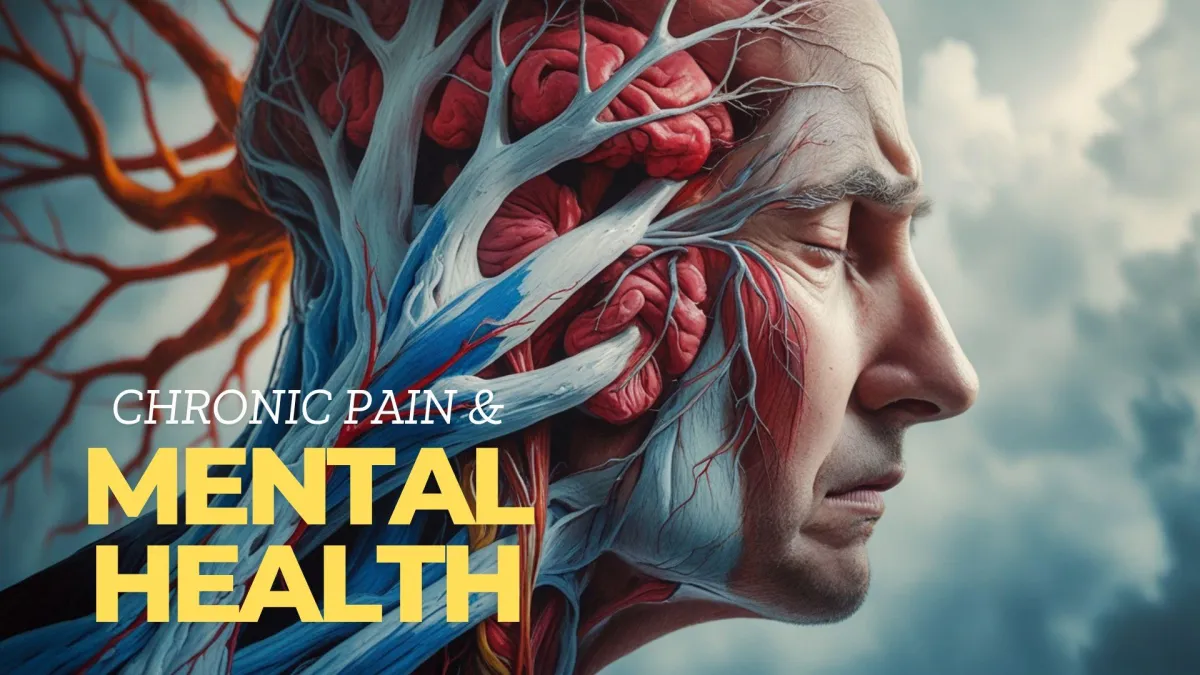
Living with chronic pain is more than just a physical burden; it deeply affects mental health, often leading to anxiety and depression. Research highlights the complex relationship between chronic pain and mental well-being, making effective pain management crucial. For individuals in Australia, seeking help from a chronic pain Sydney specialist or visiting a pain control clinic can provide relief and improve overall well-being.

Understanding Chronic Pain
Chronic pain lasts beyond the usual healing time, typically persisting for more than three months. Unlike acute pain, which signals immediate injury or illness, chronic pain continues despite the absence of an apparent cause. Common conditions associated with chronic pain include:
● Arthritis – Joint inflammation causing persistent discomfort.
● Fibromyalgia – Widespread musculoskeletal pain accompanied by fatigue.
● Nerve damage – Often linked to sciatica nerve pain or diabetic neuropathy.
● Back pain and migraines – Recurring pain episodes affecting daily function.
Chronic pain differs from acute pain because it often results in neurological changes that make the body more sensitive to pain signals. This prolonged discomfort affects not only physical health but also mental stability. Individuals suffering from chronic pain often experience feelings of helplessness, frustration, and isolation, making it essential to address both physical and psychological aspects of treatment.
The Link Between Chronic Pain and Mental Health
Chronic pain significantly impacts mental health due to its effects on brain chemistry. According to the Anxiety and Depression Association of America, chronic pain can alter neurotransmitter levels, leading to increased feelings of stress and depression. This is because pain and mood regulation share similar brain pathways. Additionally, long-term stress from chronic pain can increase cortisol levels, which worsens inflammation and heightens pain perception.
Those suffering from persistent pain, such as sciatica nerve pain, often experience emotional distress, reinforcing the cycle of pain and mental health struggles. Seeking help from the best doctor for sciatica nerve pain can be a crucial step toward breaking this cycle. Without intervention, untreated chronic pain can lead to decreased quality of life, strained relationships, and an increased risk of mental health disorders.
Signs and Symptoms of Anxiety and Depression in Chronic Pain Sufferers
Individuals living with chronic pain are at a higher risk of developing mental health conditions. Recognising the symptoms of anxiety and depression can help in seeking timely intervention:
1. Emotional Signs
-
Persistent sadness or hopelessness
-
Increased irritability
-
Difficulty enjoying previously loved activities
-
Mood swings and frustration with everyday tasks
2. Physical Signs
-
Fatigue and low energy
-
Sleep disturbances (insomnia or excessive sleepiness)
-
Changes in appetite and weight
-
Increased sensitivity to pain due to heightened stress response
3. Behavioural Signs
-
Social withdrawal and isolation
-
Loss of motivation
-
Avoidance of physical activity due to fear of pain
-
Dependence on pain medication as a coping mechanism
When chronic pain affects daily life, consulting pain management doctors can help address both physical and emotional distress, offering a comprehensive approach to treatment. Professional guidance is essential in preventing long-term mental health deterioration due to persistent pain.
The Science Behind Pain and Mental Health
Chronic pain alters brain function by affecting regions involved in mood regulation, such as the prefrontal cortex and amygdala. Studies indicate that individuals with chronic pain exhibit changes in grey matter volume, affecting their ability to process emotions effectively. Furthermore, pain signals can create a state of hyperarousal, making sufferers more prone to stress and anxiety.
This connection between chronic pain and mental health reinforces the need for multidisciplinary approaches, where chronic pain specialists collaborate with mental health professionals to provide tailored treatment plans. Treatments that address both pain and emotional well-being have been found to be more effective than focusing on physical symptoms alone.
Alternative and Holistic Approaches
While conventional medical treatments are essential, alternative approaches can complement pain management and improve overall well-being. Some effective strategies include:
1. Meditation and Mindfulness
Meditation helps reduce stress by promoting relaxation and reducing pain perception. Studies suggest that mindfulness techniques can lower cortisol levels and improve mood in chronic pain patients. Practising mindfulness for just a few minutes a day can help redirect focus away from pain and enhance emotional resilience.
2. Guided Imagery
This technique involves visualising a peaceful environment to distract the mind from pain. Research has shown that guided imagery can reduce stress hormones and enhance emotional resilience. This method is particularly useful for individuals experiencing sciatica nerve pain or migraines.
3. Physical Therapy and Gentle Movement
Low-impact activities like yoga and tai chi can improve mobility and decrease pain intensity while supporting mental well-being. Engaging in regular movement, under the guidance of a chronic pain specialist, can prevent muscle stiffness and enhance overall comfort.
4. Cognitive Behavioural Therapy (CBT)
CBT is an effective psychological approach that helps individuals change negative thought patterns related to chronic pain, reducing anxiety and depression. This therapy enables patients to develop healthier coping mechanisms, ultimately improving their outlook on life.
5. Diet and Nutrition
Anti-inflammatory diets rich in omega-3 fatty acids, whole grains, and leafy greens can support pain management and mental health. Avoiding processed foods and sugar can also reduce inflammation, which contributes to chronic pain.
Seeking Professional Help
Living with chronic pain requires a multidisciplinary approach. Seeking help from a pain control clinic can provide access to pain management doctors who specialise in holistic treatment plans. Whether it’s finding the best doctor for sciatica nerve pain or consulting a chronic pain specialist, professional intervention can make a significant difference in improving quality of life.
In Australia, access to specialised chronic pain services is expanding, making it easier for sufferers to find relief. Many individuals hesitate to seek medical help due to fear of dependency on medication, but alternative treatments and targeted therapies offer non-invasive options to manage chronic pain effectively.
Conclusion
The connection between chronic pain and mental health is undeniable, often leading to anxiety and depression. Seeking help from a chronic pain specialist or a pain control clinic can provide comprehensive treatment that addresses both physical discomfort and emotional distress. Combining medical care with holistic approaches such as mindfulness, therapy, and lifestyle changes can significantly enhance quality of life. No one should have to endure chronic pain alone—help is available, and relief is possible with the right support.