Breast Milk – Unlocking the Secrets
Most people recognise breast milk as a primary source of infant nutrition, but its capabilities extend far beyond basic sustenance“Research shows that breast milk contains over 100,000 bioactive components that provide lifelong advantages to infants. Through the pioneering work of Elena Medo, scientists have discovered that breast milk carries powerful immune factors and behavioural hormones that foster crucial mother-infant bonding. The presence of oxytocin in breast milk transforms maternal brain function from self-preservation to infant protection, while components like secretory immunoglobulin A provide exceptional immune defence. This natural wonder continues to reveal new properties that make it irreplaceable for infant development.

The Remarkable Composition of Breast Milk
Immune Factors: Building a Fortress for Infants
Breast milk contains a sophisticated array of immune-protective compounds that work in harmony to defend infants against pathogens. The star performer, secretory immunoglobulin A (SIgA), partners with lysozyme to create a powerful defence system – lysozyme strips pathogens of their protective coating while SIgA destroys them before they can breach the gut barrier. Breastfed infants develop a gut lining 16 times thicker than formula-fed babies, creating an additional fortress against harmful microorganisms. This remarkable defence system includes mucin, which creates a slippery barrier making it difficult for pathogens to gain a foothold.
- SIgA and lysozyme work together to neutralise pathogens
- Thickened gut lining provides enhanced protection
- Mucin creates protective barrier
- Colostrum contains double concentration of immune factors
Bioactive Components: More Than Just Nutrition
Beyond basic nutrients, breast milk contains over 100,000 bioactive components that provide lifelong advantages to infants. These elements include specialised hormones like oxytocin that foster mother-infant bonding and behavioural development. Research has shown correlations between breastfeeding and reduced rates of conditions like juvenile diabetes, with formula-fed infants showing up to 25 times higher incidence rates. This complex biological system demonstrates nature’s sophisticated approach to infant development.
The bioactive components in breast milk also play vital roles in gut development and metabolism programming. High cholesterol content helps train infant bodies to process lipids effectively, while other compounds support optimal organ development and function. Studies in neonatal intensive care units have demonstrated that even minimal exposure to breast milk’s bioactive elements can reduce serious complications like necrotising enterocolitis by over 50%. This remarkable impact on infant health outcomes continues to drive research into breast milk’s complex composition.
Emotional and Behavioural Bonding Through Breastfeeding
Breastfeeding creates a unique biological and emotional connection between mother and child that extends far beyond basic nutrition. Research has shown that the physical act of breastfeeding triggers complex neurological and hormonal responses in both mother and infant, establishing deep emotional bonds that shape long-term development and survival behaviours. This intimate exchange activates specific brain regions responsible for emotional processing and attachment formation.
The Role of Oxytocin in Maternal Attachment
During breastfeeding, mothers experience a significant surge in oxytocin levels – often called the “love hormone” – which fundamentally transforms the maternal brain’s response patterns. This hormone floods the mother’s system during nursing sessions, promoting feelings of calm, reducing anxiety, and strengthening the emotional bond with her infant. Research indicates that oxytocin present in breast milk also directly affects the infant’s developing brain, promoting trust and social bonding.
Studies have demonstrated that babies who breastfeed show enhanced activation in brain regions associated with emotional processing and social connection. The skin-to-skin contact, gentle touching, and eye contact that naturally occur during breastfeeding sessions further amplify these neurological benefits, creating optimal conditions for secure attachment formation.
Behavioural Changes in Mothers and Their Impact on Infant Protection
The hormonal cascade triggered by breastfeeding dramatically alters maternal behaviour patterns, shifting the mother’s primary focus from self-preservation to infant protection. Animal studies reveal that nursing mothers display significantly enhanced protective behaviours and reduced fear responses when their offspring are threatened. These behavioural changes are directly linked to the complex interplay of oxytocin, prolactin, and other hormones released during lactation.
Research examining maternal brain activity during breastfeeding shows increased activation in regions associated with empathy, emotional regulation, and protective instincts. These neurological changes enable mothers to better interpret and respond to their infant’s needs, creating a finely-tuned feedback loop that optimizes infant care and survival.
The impact of these behavioural modifications extends well beyond the immediate nursing period. Studies tracking long-term outcomes have found that mothers who breastfeed demonstrate more sensitive parenting behaviours, stronger emotional attunement to their children’s needs, and enhanced ability to manage stress in challenging caregiving situations. These adaptations create a protective framework that supports healthy infant development and secure attachment patterns.
Neurodevelopmental Advantages of Breast Milk
Enhancing Cognitive Function and Emotional Health
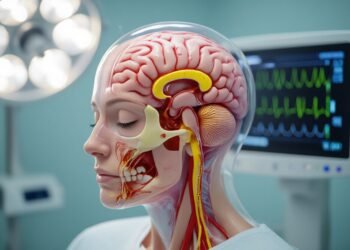
Breast milk contains specialised compounds that directly support brain development and emotional bonding. The hormone oxytocin, present in high concentrations in breast milk, facilitates the crucial mother-infant bond while simultaneously promoting healthy neural development. Research has shown that breastfed infants demonstrate enhanced cognitive development and emotional regulation compared to formula-fed babies.
The complex interaction between breast milk components and infant brain development extends beyond just nutrition. Specialised fatty acids like DHA and ARA found in breast milk support the formation of neural connections, while growth factors stimulate the development of brain tissue. Studies indicate that these bioactive compounds contribute to improved memory, learning capabilities, and social-emotional development in breastfed children.
The Promising Connection Between Breastfeeding and Autism
Recent research reveals intriguing correlations between breast milk consumption and autism spectrum disorders (ASD). Scientists have observed that certain components in breast milk may help modulate ASD symptoms through various dietary mechanisms. While the exact biological pathways remain under investigation, preliminary studies suggest that breast milk’s unique composition could influence neurological development in ways that potentially affect autism expression.

The relationship between breast milk and autism extends to gut health, with emerging evidence suggesting that breast milk’s ability to support healthy gut microbiota may influence neurodevelopmental outcomes. Studies indicate that children with autism who receive breast milk show improvements in certain behavioural markers, though researchers emphasise that more comprehensive clinical trials are needed to fully understand these effects.
Investigations into the gut-brain axis have revealed that breast milk’s prebiotic compounds and immune factors may help regulate inflammation and neural signalling pathways associated with autism spectrum disorders. The presence of specific human milk oligosaccharides (HMOs) appears to support beneficial gut bacteria, potentially creating a more favourable environment for neurological development in children predisposed to ASD.
Colostrum: Nature’s First Superfood
The Nutritional and Immune Power of Early Milk
Colostrum, the first milk produced by mothers immediately after birth, contains double the concentration of immune factors compared to mature breast milk. This golden liquid features six primary immune components, including secretory immunoglobulin A (SIgA) which works synergistically with lysozyme to create a powerful defence system. When pathogens attempt to penetrate the gut wall, lysozyme strips away their protective coating while SIgA destroys them before they can enter the baby’s system.
Beyond immune protection, colostrum serves vital mechanical functions in newborns. The thick, yellowish fluid helps clear meconium from the baby’s intestines and contains specialised proteins that create a protective barrier in the gut that is 16 times thicker than in formula-fed infants. This enhanced barrier, combined with components like mucin that make the intestinal surface slippery, creates multiple layers of defence against harmful pathogens.
Debunking Myths: The Importance of Colostrum in Cultures
Despite its life-saving properties, cultural misconceptions about colostrum persist in some regions, particularly in Asian countries where it has historically been viewed as containing “impurities” or “poisons.” This perception likely stems from colostrum’s distinct appearance compared to mature milk across species. However, research demonstrates that what some cultures consider impurities are actually beneficial compounds that help train infant immune systems and establish crucial metabolic pathways.
Medical applications of colostrum continue to demonstrate its remarkable properties. In neonatal intensive care units, using colostrum for oral care in premature infants has reduced rates of necrotising enterocolitis and ventilator-associated pneumonia by over 50%. These findings highlight how even small amounts of this biological superfood can dramatically improve outcomes for vulnerable newborns.
Long-term Benefits Beyond Infancy
Correlations Between Breastfeeding and Reduced Health Risks
Research has consistently demonstrated that children who receive breast milk show significantly lower rates of obesity, allergies, and respiratory infections well into their childhood years and beyond. Large-scale studies tracking thousands of children have found that breastfed infants have up to 30% lower risk of developing childhood obesity compared to formula-fed babies. The protective effects appear to be dose-dependent, with longer breastfeeding duration correlating to greater benefits.
The immunological programming that occurs during breastfeeding continues to influence health outcomes throughout life. Studies have documented reduced incidence of asthma, eczema, and food allergies among children who were breastfed. Additionally, researchers have observed lower rates of certain cancers and cardiovascular disease in adults who received breast milk as infants.
The Role of Breast Milk in Preventing Childhood Diabetes
One of the most striking findings in recent research reveals that breast milk plays a powerful role in diabetes prevention. Children who receive formula containing non-human milk proteins show up to 25 times higher incidence of juvenile diabetes compared to exclusively breastfed infants. This protective effect exists even in cases where there is a genetic predisposition to diabetes.
The complex interplay between breast milk components helps train the infant’s immune system and metabolic processes. Specific proteins and growth factors in human milk appear to prevent the autoimmune response that can trigger type 1 diabetes. Additionally, the balanced nutritional composition of breast milk supports healthy pancreatic development and insulin sensitivity.
Recent studies have identified bioactive compounds in breast milk that specifically target pancreatic beta cells, helping to establish proper insulin production and glucose regulation. These compounds, including adiponectin and ghrelin, continue influencing metabolic programming long after weaning occurs. The protective effects against diabetes have been observed to last into adolescence and early adulthood, highlighting breast milk’s role in long-term metabolic health.
Watch the full YouTube episode on MedHeads
Conclusion
With these considerations, Elena Medo’s insights have illuminated the extraordinary complexity and sophistication of breast milk, demonstrating how it extends far beyond basic nutrition. Her expertise has shown that breast milk contains thousands of bioactive components, including powerful immune factors like secretory immunoglobulin A and behavioral hormones such as oxytocin, which create lasting advantages for infant development. The research she has shared regarding colostrum’s role in preventing serious conditions in premature infants highlights the profound impact of this natural substance on infant health.
The discussion has revealed compelling evidence about breast milk’s potential influence on various health outcomes, from reducing diabetes risk to possibly modulating autism symptoms. Through her extensive knowledge and research experience, Medo has demonstrated how breast milk serves as a sophisticated biological system that provides personalized nutrition, immune protection, and emotional bonding benefits that manufactured alternatives simply cannot replicate. Her work continues to advance understanding of breast milk’s complex properties and their long-term implications for human health.
👉 Check out the list of breastfeeding essentials on Amazon to help you on your journey.
Key Takeaways:
- Breast milk contains approximately 100,000 bioactive components, including immune factors and behavioral hormones, providing lifelong advantages beyond basic nutrition
- Oxytocin in breast milk creates a powerful emotional bond between mother and baby, switching maternal brain from self-protection to baby-protection mode
- Breast milk’s immune components like secretory immunoglobulin A and lysozyme work together to protect babies from pathogens before they can enter the system
- Colostrum (early breast milk) contains double the immune factors of regular breast milk and helps clear meconium from newborns’ digestive systems
- Studies show colostrum oral care in premature babies reduces necrotizing enterocolitis and ventilator-associated pneumonia by over 50% in NICU settings

Recommended Breastfeeding Essentials Box
- Electric Breast Pump – efficient and comfortable milk expression
- Breast Milk Storage Bags – preserve immune-protective bioactive compounds
- Nursing Pillow – promotes comfort and proper positioning for bonding
- Baby Wrap Carrier – encourages skin-to-skin contact and oxytocin release
- Colostrum Supplement – supports gut and immune health for mums and bubs
- Prenatal & Postnatal DHA Supplement – enriches breast milk for brain development
- Nipple Cream & Breast Pads – essential comfort care for mothers
👉 Browse all Breastfeeding Essentials on Amazon
FAQ
Here’s a detailed 5-question FAQ about ‘Unlocking the Secrets of Breast Milk: Benefits Beyond Nutrition with Elena Medo’:
Q: What makes breast milk superior to infant formula?
A: While infant formula provides basic nutrition, breast milk contains approximately 100,000 bioactive components, including immune factors and behavioural hormones like oxytocin. These elements create lifelong advantages for babies, promoting mother-child bonding and offering comprehensive health benefits that formula cannot replicate.
Q: How does breast milk influence mother-child bonding?
A: Breast milk contains oxytocin, known as the “love hormone,” which creates a powerful emotional connection between mother and baby. This hormone actually transforms the mother’s brain from self-protection mode to baby-protection mode, establishing a deep biological bond imperative for infant care and development.
Q: What are the special properties of colostrum?
A: Colostrum, the first milk produced after birth, contains concentrated immune factors, including secretory immunoglobulin A and lysozyme. These components work together to protect the baby from pathogens by strengthening the gut barrier and destroying harmful organisms before they can enter the baby’s system.
Q: How does breast milk support immune system development?
A: Breast milk contains six major immune factors (the “rock stars of immunity”) that provide comprehensive protection. It helps create a thicker intestinal lining (about 16 times thicker than in formula-fed babies) and includes mucin, which creates a protective barrier against pathogens in the baby’s digestive system.
Q: What role does breast milk play in preventing childhood diseases?
A: Research shows that breast milk significantly reduces the risk of various childhood conditions. For example, babies who receive breast milk have a dramatically lower incidence of childhood diabetes, even when they have genetic predisposition. The absence of non-human proteins in breast milk helps prevent certain genes from expressing disease-causing traits.