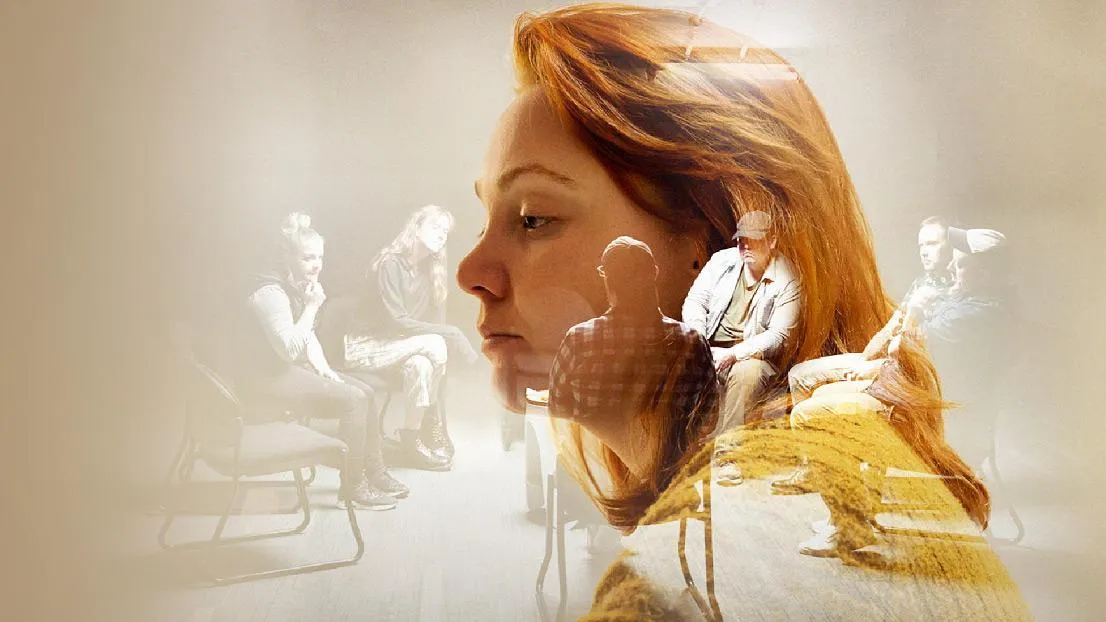
The recently aired Addicted Australia documentary series on SBS provoked a lot of discussion amongst my colleagues on how we as general practitioners and society as a whole treats people with substance use disorders.
A colleague mentioned that substance use disorder is the only medical condition where it is still ‘acceptable’ to turn away or refuse to assist someone seeking help or trying to improve their circumstances. One can hide behind words or terms such as ‘too difficult’, ‘complex’ or ‘I don’t practice that kind of medicine’.
Recently a patient of mine asked for an extra supply of her medication. One would think that this was a prudent request during this coronavirus pandemic and trying to minimise unnecessary contact with other people or attending a crowded pharmacy. However, the medication that she asked for more take away doses for was Methadone. She was on four take away doses, the maximum allowed under current Victorian legislation which meant that she had to attend the pharmacy three times per week where a pharmacist would monitor her as she ingested Methadone in the pharmacy. This woman was a person who is no longer using heroin and who had not injected drugs for a number of years and felt embarrassed and judged every time she went to the pharmacy.
More Take-Aways
Fortunately, with the current coronavirus pandemic the Victorian Department of Health and Human Services has authorised prescribers to prescribe increased take away doses and longer duration scripts in suitably screened and stable patients. This is certainly a welcome intervention but leads me to wonder about the overall treatment and management of our patients on opioid substitution therapy (OST).
Methadone and Suboxone are prescribed medications given to patients with heroin or opioid use disorder. They are intended as a substitute for heroin and other prescribed opioids under the philosophy of harm reduction, understanding that there are some patients who for whatever reason will not remain abstinent of using drugs and trying to decrease the risks of harm both to the patient and to society as a whole. Some of the harms reduced include reducing the risks of blood borne viruses from sharing needles or drugs, decreasing the risks of overdose by prescribing an appropriate dosage of medication or prescribing take home naloxone, decreasing societal harms such as stealing and other criminal activity to fund an illicit drug habit.
This is an extensively researched and evidence-based form of harm reduction and personally I have seen many people turn their lives around on OST yet unfortunately there is still a dearth of OST prescribers. The reasons are seemingly obvious in that it is not well remunerated work with ‘difficult patients’ whom you wouldn’t want clogging up your waiting room. You also don’t want ‘that’ reputation as ‘the drug doctor’.
But to me this attitude is misplaced. OST provides a treatment to people who are addicted. In no other area of medicine do we ignore or try to avoid prescribing evidence-based treatment for a disorder and substance abuse disorder is a medical condition.
Furthermore, there are structural and bureaucratic issues and hurdles associated with OST. For instance, one can easily prescribe opioid medication in one’s consultation room initially. There is no need to obtain a permit immediately, no further training is required for the doctor and no real onerous conditions placed on the patient.
For Methadone the prescriber must undergo Medication Assisted Treatment of Opioid Dependence (MATOD) training and be assessed. Then when prescribing the medication the patient must find a pharmacy willing to prescribe OST to them, take an authorised photograph to the pharmacy, may be asked to prove that they can store the medication safely when they are allowed take away doses and for the first few weeks and then months have to present to the pharmacy daily where they are dosed in front of other pharmacy patients. To top it off OST is not PBS funded and the patient usually has to pay an additional dispensing fee. The system appears geared to penalise people who have acknowledged that they have a problem and are taking some of the necessary steps to rectify their situation.
These issues with OST appear emblematic of a larger issue of appropriate prescribing of drugs of dependence. The problems of harms and deaths related to prescription medication are well known particularly with the mass of information related to opioid medication deaths in America. More locally in Victoria in 2017, there were 414 pharmaceutical medicine-related deaths compared to 271 deaths associated with illicit drugs and a road toll of 258 in the same time period. Most pharmaceutical medicine-related deaths involved some form of polypharmacy-multiple different medications such as opioids and benzodiazepines contributing to the adverse outcome. In 2016-2017 in Victoria, there were 10,517 pharmaceutical medicine-related ambulance callouts compared with 11,097 illicit drug-related ambulance call-outs. This is a problem that has been growing for some time and is beginning to be tackled.
Real Time Prescribing
SafeScript is a real-time prescription monitoring system able to be used by prescribers in the state of Victoria. This software keeps a real-time log of the prescription and dispensation of certain medications (opioids, benzodiazepines, stimulants, hypnotics and other high-risk medications). SafeScript aims to reduce overdose risk via polypharmacy, multiple prescribers and identifying higher risk drug combinations. The software integrates well with existing general practice databases and uses a traffic light system to signal to a practitioner whether they should review the Safescript database. Importantly it does not tell a prescriber whether they should or should not prescribe-that decision is still up to the prescriber.
The evidence for real-time prescribing is quite robust with Tasmania having such a system in place since 2009 and multiple jurisdictions in America showing a reduction in doctor shopping and reduction in medication diversion post implementing a similar system. Many other states in Australia will soon be implementing their own prescription monitoring programs.
The most important thing post-implementation of real-time prescription monitoring is not to stigmatise those identified as aberrantly seeking medications or use this new information as an excuse to rapidly exit the patient from the consultation room but utilise the tool to start a discussion with the patient and how best to manage their needs. This can be challenging particularly if the patient has been a regular patient and one is feeling betrayed that they were using their prescribed medications in a manner not intended or seeing multiple other prescribers. These conversations can be difficult and can certainly require some degree of introspection from the prescriber about their prescribing but it is important that these conversations are held with the patient and their best interests in mind.
If someone is identified as having a substance abuse disorder then the most humane thing with any disorder is to offer appropriate treatment and management and this can range from weaning medications, referral to detoxification and rehabilitation facilities and for certain patients prescribing OST. I am hopeful that more doctors will be motivated to undertake MATOD training in order to provide more comprehensive treatment to their patients. This can seem daunting at first but there are services and people able to assist in this transition. In Victoria the Victorian Drug and Alcohol Clinical Advisory Service (DACAS) is a phone consultancy service staffed by addiction specialist and is available for any clinician requiring assistance with a patient with substance abuse disorder. There is also the Safescript GP Clinical Advisory service which is staffed by GPs to provide peer mentoring and advice to other GP prescribers who have patients with high-risk prescription medication concerns.
Real-time prescribing is in its infancy in Australia and is soon to become more widespread. It is a tool that could potentially help save lives but will also prove to be confronting to prescribers and result in them reflecting on their prescribing behaviours and habits. My hope is that it will be a tool that will help us identify and treat some of our most vulnerable patients in a more holistic manner.